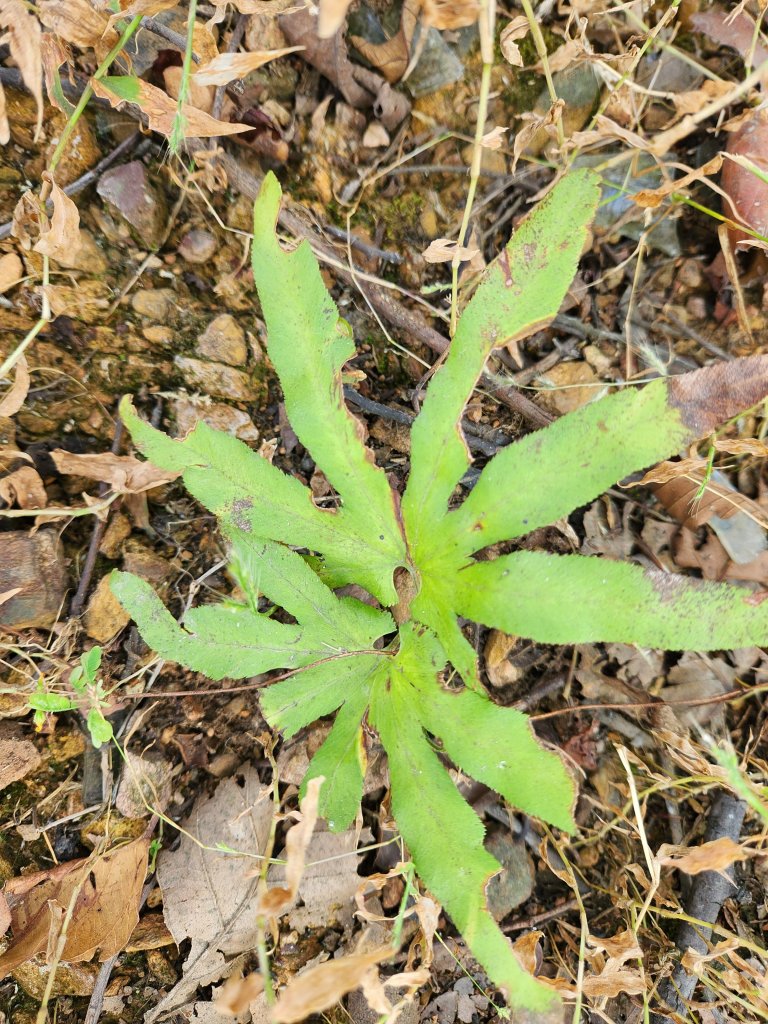
Ferns are ancient plants whose ancestors first appeared on Earth over 300 million years ago. Members of a division of primitive plants called Pteridophytes, ferns are one of the earth’s oldest plant groups and dominated the land before the rise of flowering plants.
Why do animals not graze on ferns?
Most of the ferns contain phenolic derivative – Phlobaphene which is very bitter in taste. Therefore, animals usually do not graze upon ferns.
My Latest Posts
• • •
- Boil Water Notice GuidanceDue to the recent winter storm, some drinking water systems may be under a boil water notice. If your drinking water supply is impacted, please follow this guidance or contact your local water provider.
- Harvesting, Storing, and Treating Rainwater for Domestic Indoor UseAny domestic rainwater harvesting system you use to produce drinking water for your home will consist of the following six basic components. … 52 pages PDF guide
- A Beginner’s Guide to Harvesting RainwaterLearn about rainwater collection system and techniques for harvesting. Rainwater has been collected by nature in low lying areas since rainfall started and flowed down the terrain. Rainwater collection system… Read more: A Beginner’s Guide to Harvesting Rainwater
- Carbon Capture by Trees.Steel companies to conduct studies on Carbon Capture. Those having dedicated mines can go for afforestation with help of forest department.
- ROReverse osmosis water purifiers are highly effective at reducing pesticides in water, typically removing 90–95%. Food minerals are healthier than water minerals.
- Alternative to rice stubble burning for growing winter wheatAn alternative to rice stubble burning for growing winter wheat includes several sustainable practices that aim to reduce environmental pollution while maintaining or even enhancing soil health and crop yield.
- RainBarrelRain barrels reduce this pollution by capturing and containing rainwater, decreasing the total amount of runoff water.
- FirescapeFirescaping is landscape design that reduces house and property vulnerability to wildfire. The goal is to develop a landscape with a design and choice of plants that offer the best defensible space and enhance the property.
- Six reasons to use a Straw HarrowTwitter notes on reasons to use straw harrow by Spencer Claydon Reason 1 : Reasons to straw harrow when direct drilling : Manage stubbles Claydon Straw Harrows break down &… Read more: Six reasons to use a Straw Harrow
- ContourContour ploughing is an effective technique for preventing soil erosion. Instead of ploughing in straight lines up and down slopes, farmers plough along the contour lines of the land. This helps to slow down water runoff, reduce soil erosion, and retain moisture in the soil.
- HomeGardeningGardening – Practice of growing and cultivating plants.
- RainGutterRain Gutter, Roof Gutter: #1 Types of Rain Gutter and How to Choose One.#2 How to Install and Replace Rain Gutters. 10 Types of Rain Gutter and How to Choose… Read more: RainGutter
- RainWaterSystemThe major components of a rainwater harvesting system The major components of a rainwater harvesting system Download The Texas Manual on Rainwater Harvesting from secure WordPress Blog site:
- Mole DrainMole drainage, on the right soil type and when installed correctly, can help reduce waterlogging problems substantially.
- How to Control Streambank ErosionThe brash is pinned in to stop stream bank erosion of the bank but will also provide homes for invertebrates and cover for fish. Willow is included, this will sprout into new trees to make the structure alive and permenant.
- Water PollutionWater pollution is a growing crisis around the world, but one city in Australia is doing its part to tackle the huge surges of waste that come from stormwater drains. By using a somewhat obvious, simple and cost-effective system of nets, or “trash traps,” the City of Kwinana is moving to prevent waste from entering its waters.
- CorrosionDetails that take corrosion into account can minimize horizontal surface areas where debris and moisture collect, increase drainage and shorten wetting cycles – thus increasing the overall service life of a structure.
- Ceramic Water FilterCeramic water filters (CWF) are an inexpensive and effective type of water filters that rely on the small pore size of ceramic material to filter dirt, debris, bacteria, paramecium, protozoa and… Read more: Ceramic Water Filter
- RainPillowRainwater pillow is an innovative rain and storm water harvesting system designed to be stored in horizontal wasted space.
- RainfallHow to Collect Water from Rain: Guide on Rainwater Harvesting and Collecting Rainwater
- Residential Rain Gardens, City of Portland, OregonResidential rain gardens are a natural way to manage the rain on your property while adding beauty to your landscape. They can be a good solution for flatter spaces where… Read more: Residential Rain Gardens, City of Portland, Oregon
- Snow harvesting – An innovative irrigation methodFarmers traditional practice with a little adaptation has resulted in enhancing the quality and quantity of apple production in Jumla district in Nepal. This low-cost technology has been most helpful for those farming communities with lesser water resources. Valuing the significance, this innovation has been institutionalized by the Government of Nepal to support apple farmers.
- Texas Manual on Rainwater HarvestingThis manual – 3rd edition – produced by the Texas Water Development Board- serves as a primer in the basics of residential and small-scale commercial. Download PDF copy Texas Manual… Read more: Texas Manual on Rainwater Harvesting
- Rainbarrel Tutorial: How to make a rain barrel.A rain barrel is a system that collects and stores rainwater from your roof that would otherwise be lost to runoff and diverted to storm drains and streams. Usually a rain barrel is composed of a 55 gallon drum, a vinyl hose, PVC couplings, a screen grate to keep debris and insects out, and other off-the-shelf items, a rain barrel is relatively simple and inexpensive to construct and can sit conveniently under any residential gutter down spout.
- Bamboo Drip Irrigation SystemSince olden times, traditional farmers of Meghalaya have been utilizing an indigenous method of bamboo drip irrigation system to water their plantation crops. It is an innovative irrigation system that taps streams and spring water sources using bamboo channels. This intricate design for irrigation has been perfected over 200 years of practice. It is so perfected that about 18-20 litres of water entering the bamboo pipe system per minute gets transported over several hundred metres and finally gets reduced to 20-80 drops per minute at the site of the plant.
• • •
 Raincentre's Blog