Categories
rainwater rainwatersystem

Harvesting, Storing, and Treating Rainwater for Domestic Indoor Use

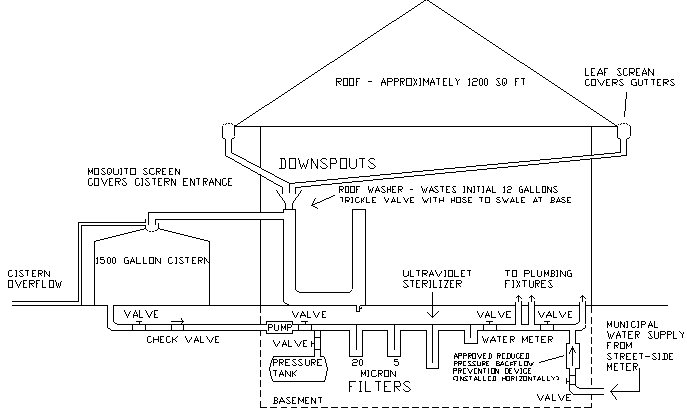
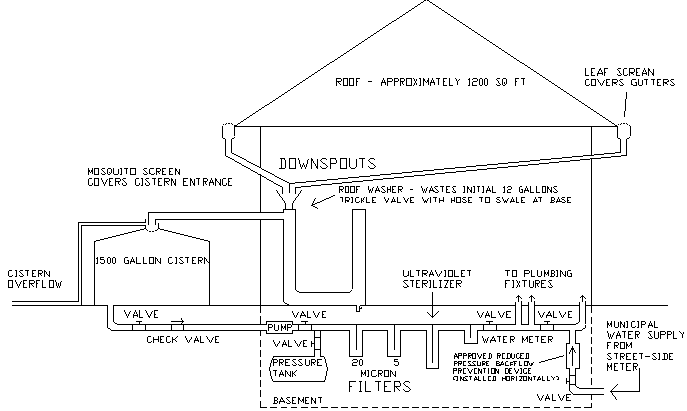
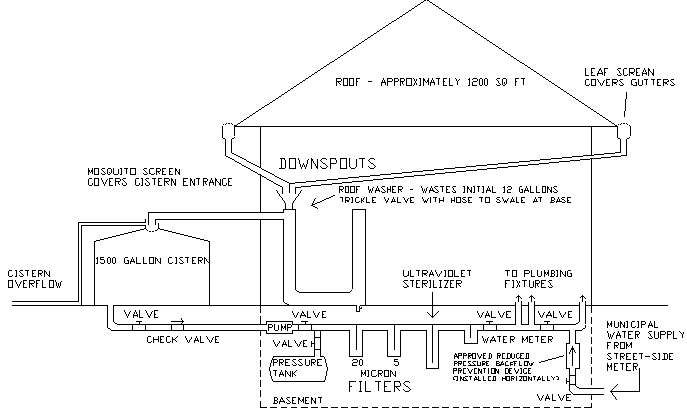
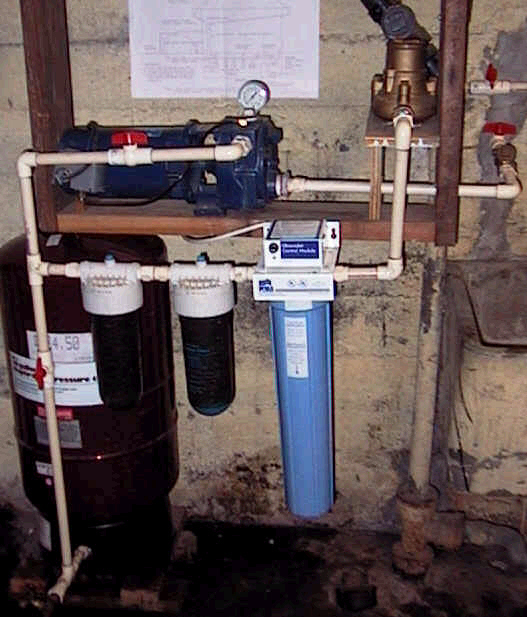
Dr Ole Ersson developed a self-built rainwater harvesting and purification system in Portland, Oregon, in 1996, using low-cost components to create potable water.

His system includes catchment, first-flush diversion, filtration, UV purification, storage, pressurization, and backflow prevention to ensure safety and code compliance. Source: http://www.rwh.in/ .

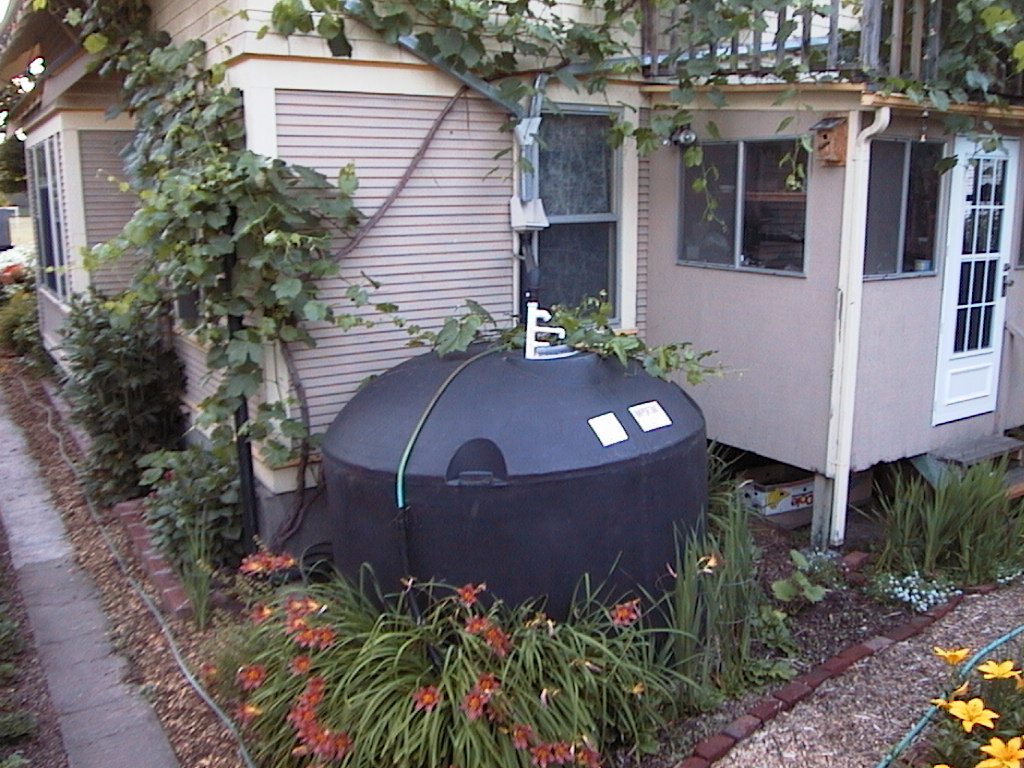
A 1500 gallon plastic cistern
A 1500 gallon plastic cistern.
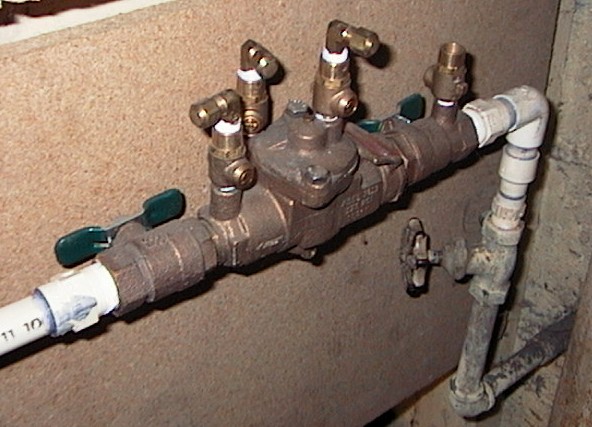
Back flow prevention system.
Rainwater Purification System.

Further reading: Download “Texas Rainwater Manual” pdf guide from the blog page  https://rainwater.blog/texasmanual/ .

Blog sitemap: https://rainwater.blog/sitemap/

Categories
Posts

A Beginner’s Guide to Harvesting Rainwater

Learn about rainwater collection system and techniques for harvesting.

Rainwater has been collected by nature in low lying areas since rainfall started and flowed down the terrain.

A 1500 gallon plastic cistern
A 1500 gallon plastic cistern.

Rainwater collection system range from rainbarrels to rainwater systems with pumps, pipings, filters, non return valves and pressure booster.

Rainwater Harvesting System. Source: http://www.rwh.in/

Rainwater systems can be designed from a simple households to complex industrial setup for soft water requirement. It’s all as per your requirement and budget.

However, if your goal is to collect soft water from rainfall, for drinking, gardening, washing and other activities, you can browse and read weblinks mentioned in sitemap. It can help you easily learn, assemble and how to harvest rainwater.
FAQ’s on Rainwater Harvesting – https://rainwater.blog/2024/04/09/faqs-on-rainwater-harvesting/

The Texas Manual on Rainwater Harvesting, Third Edition, 2005.

The Texas Guide to Rainwater Harvesting, Second Edition, 1997.

Sources:
1. http://www.rwh.in/sitemap.htm.
2. https://rainwater.blog/sitemap/

Categories
Carbon Capture CarbonCapture Posts

Carbon Capture by Trees.

Trees capture carbon dioxide (CO₂) from the atmosphere through photosynthesis, storing carbon in their biomass (trunks, branches, leaves, roots) and releasing oxygen. This process makes them critical natural tools for mitigating climate change. Here’s a concise breakdown:

  • How it works: Trees absorb CO₂ via leaves, converting it into glucose and oxygen using sunlight. The carbon is stored in wood, bark, and roots, with some transferred to soil via roots and decaying matter.
  • Capacity: A mature tree can absorb ~48 pounds (22 kg) of CO₂ per year, though this varies by species, age, size, and environment. For example, fast-growing species like pines or poplars can sequester more carbon than slower-growing oaks in the same timeframe.
  • Factors affecting capture:Species: Hardwoods (e.g., oak, maple) store more carbon long-term due to denser wood; conifers grow faster but may store less over time.
    Age: Young trees grow faster and absorb more CO₂ initially, but older trees store more total carbon due to their size.
    Location: Trees in tropical regions often sequester more due to year-round growth, compared to temperate regions with seasonal limits.
    Health: Healthy trees with ample water and nutrients capture more CO₂ than stressed ones.
  • Global impact: Forests globally absorb 15-30% of human-related CO₂ emissions annually (7.6 billion metric tons). Deforestation, however, releases stored carbon, offsetting this benefit.
  • Soil storage: Trees also contribute to carbon storage in soil through root systems and decomposing organic matter, which can hold carbon for centuries.
  • Limitations: Trees alone can’t offset all emissions. Space constraints, land use competition, and risks like wildfires or pests limit their scalability. Plus, carbon stored in trees can be released if they’re cut down or die prematurely.
The post highlights a humorous Dilbert comic by Scott Adams displayed at the IUFRO 2024 conference, satirizing corporate innovation by suggesting a tree as an “effective product,” which aligns with the event’s focus on carbon capture by trees.

Best Tree Species for Carbon Capture:
The best species for carbon capture depend on growth rate, wood density, and longevity, as these affect how much carbon is absorbed and stored over time.

Here are top performers:
Fast-growing species (high CO₂ absorption in shorter timeframes):
Hybrid Poplar: Absorbs ~100-200 pounds of CO₂/year during peak growth due to rapid biomass accumulation. Ideal for temperate regions but needs water and fertile soil.

Pines (e.g., Loblolly Pine): Sequesters ~50-100 pounds of CO₂/year. Grows fast in warmer climates like the southeastern U.S., with dense planting boosting capture.

Eucalyptus: In tropical / subtropical regions, some species absorb up to 200 pounds of CO₂/year due to rapid growth. Common in Australia, parts of Africa, and South America.

Long-term storage species (dense wood, slower growth):
Oak (e.g., Quercus robur): Stores more carbon over decades due to dense wood (~50-80 pounds CO₂/year for mature trees). Great for temperate regions like North America and Europe.

Sequoia/Redwood: Massive size and longevity make these trees carbon storage giants, holding thousands of pounds of carbon over centuries, though growth slows with age.

Teak: In tropical regions, teak’s dense wood locks away carbon for decades, with ~50-100 pounds CO₂/year during growth.

Considerations:
Fast-growers like poplar or eucalyptus are great for quick carbon sequestration but may need replacement after 20-50 years.
Long-lived species like oaks or sequoias store carbon for centuries but grow slower initially.
Native species are often best to ensure ecosystem compatibility.

Regional Differences:
Carbon capture varies by climate, soil, and growing season:
Tropical regions (e.g., Amazon, Southeast Asia):Year-round growth leads to higher annual CO₂ absorption (~20-30% more than temperate regions).
Example: Tropical hardwoods like mahogany or fast-growing bamboo can sequester 100-300 pounds of CO₂/year per tree in ideal conditions.
Challenge: Deforestation risks releasing stored carbon.

Temperate regions (e.g., North America, Europe):Seasonal growth limits annual sequestration, but diverse species like maples, pines, or birches thrive.
Average absorption: ~30-60 pounds CO₂/year per mature tree.
Soil carbon storage is significant due to cooler, stable soils.

Boreal regions (e.g., Canada, Siberia):Slower growth due to short seasons, with species like spruce or fir absorbing ~20-40 pounds CO₂/year.
Vast forest areas make boreal forests globally significant, but warming climates increase wildfire risks, releasing carbon.

Arid regions (e.g., parts of Africa, Australia):Limited water reduces growth rates, but drought-tolerant species like acacias can still sequester ~10-30 pounds CO₂/year.
Reforestation here is challenging but impactful due to low baseline vegetation.

Calculation for a Specific Area:
Let’s calculate carbon capture for a 1-hectare (2.47 acres) forest in a temperate region (e.g., northeastern U.S.) planted with hybrid poplars, assuming optimal conditions:
Tree density: ~1,000 trees per hectare (common for fast-growing plantations).
CO₂ absorption per tree: ~100 pounds (45 kg) per year for young hybrid poplars (conservative estimate for 5-10-year-old trees).
Total CO₂ per hectare: 1,000 trees × 100 pounds = 100,000 pounds (45,359 kg or ~45 metric tons) of CO₂ per year.
Context: This equals the annual emissions of ~4-5 average U.S. cars (assuming ~9 tons CO₂ per car/year). Over 20 years, this hectare could sequester ~900 tons of CO₂, assuming trees remain healthy and aren’t harvested.

For comparison:
In a tropical region with eucalyptus at similar density, you might see ~60-80 tons of CO₂ per hectare/year due to faster growth.
In a boreal forest with slower-growing spruce, it might drop to ~20-30 tons/year.

Notes and Caveats Maintenance: Carbon capture assumes healthy trees. Pests, drought, or poor soil can reduce sequestration by 20-50%.
Lifespan: If trees are harvested or die, stored carbon may be released unless wood is used in long-term products (e.g., furniture).
Soil Carbon: In temperate regions, soil can store 10-20% of the carbon trees sequester, increasing total impact.

Scalability: Planting enough trees to offset global emissions (e.g., 36 billion tons CO₂ / year) would require billions of hectares, competing with agriculture and urban land use.

Further reading: https://share.google/GSN6knrnXgCRkYyPh
“Cost effective CO2 reduction in the Iron & Steel Industry by means of the SEWGS technology: STEPWISE project”.

Sitemap: https://rainwater.blog/sitemap/

Note: The Dilbert comic by Scott Adams is a genius commentary on corporate innovation. By suggesting a tree as an “effective product” for carbon capture, Adams pokes fun at how companies often try to spin simple solutions as groundbreaking products. It’s fitting for the IUFRO conference, which highlights the importance of trees in capturing carbon dioxide and mitigating climate change. Trees are indeed effective at absorbing CO2, making them a valuable tool in the fight against climate change.

Blog sitemap: https://rainwater.blog/sitemap/

Categories
Posts Reverse Osmosis ReverseOsmosis RO TapWater

RO

Reverse Osmosis Water Purifier

RO (ReverseOsmosis) water purifiers are highly effective at reducing pesticides in water, typically removing 90–95% of them.

Drinking RO water can provide potential health advantages by reducing exposure to harmful substances. The improved water quality may contribute to better overall health outcomes, making RO systems a valuable choice for households seeking safer drinking water.

About my experience –  I am happy with performance AO Smith ProPlanet P7 model that I installed recently. The water taste has improved as compared to my potable water supply.  Liquid based drinks like coffee and tea taste has improved.

AO Smith water treatment products are available at retailers nation wide in US. Others can search in Amazon.

What are other alternative: start using rainwater. Further reading http://www.rwh.in/sitemap.htm

Rainwater System.  Source: http://www.rwh.in

Download Texas Manual – 3rd edition and 2nd edition from my https secure blog: https://rainwater.blog/category/texasmanual/

In Italy, rice milk is vegan source of calcium.

My blogs: https://rainwater.blog/sitemap/

Last updated on 10th July, 2025.

Categories
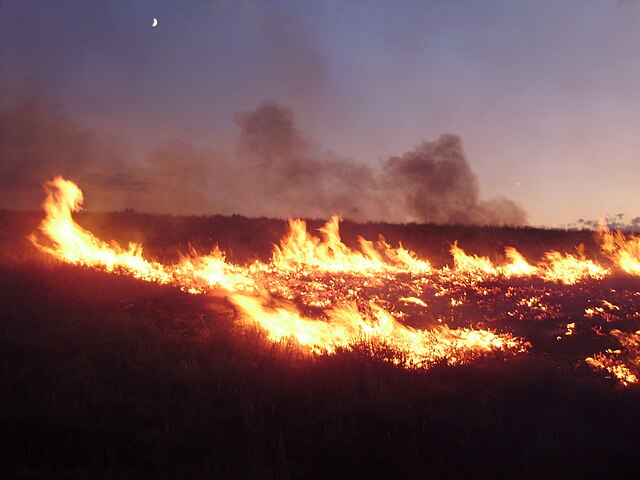
ClaydonDrill directdrill OptiTill Stubble Burning StubbleBurning sustainable farming winter wheat

Alternative to rice stubble burning for growing winter wheat

An alternative to rice stubble burning for growing winter wheat includes several sustainable practices that aim to reduce environmental pollution while maintaining or even enhancing soil health and crop yield:

  1. Use of Machinery for Stubble Management:
    • Happy Seeder: This machine cuts and lifts rice straw, allowing wheat to be sown directly into the soil without prior removal of residue. The straw is then spread over the sown area as mulch, which helps in moisture retention and reduces weed growth.
    • Super Seeder: Similar to the Happy Seeder, this machine is designed to mix the stubble into the soil, providing organic matter back to the soil while preparing it for wheat planting.
    • Paddy Straw Chopper-cum-Spreader: This technology chops the straw into smaller pieces, facilitating easier incorporation into the soil or use as mulch.
  2. Incorporation of Stubble into Soil:
    • Through methods like using rotavators or disc harrows, chopped straw can be mixed into the soil, enhancing soil structure and fertility. This practice, known as in-situ management, can improve nutrient availability for the next crop cycle.
  3. Bio-decomposer Application:
    • Use of microbial solutions like the Pusa bio-decomposer, which converts crop residue into manure within 15-20 days, offering a biological alternative to burning. This not only prevents air pollution but also enriches the soil.
  4. Zero-Tillage Practices:
    • Techniques like zero-tillage or minimum tillage for wheat sowing directly into the rice stubble can reduce soil disturbance, preserve soil structure, and enhance moisture conservation. This method has shown to be effective in reducing lodging during adverse weather conditions.
  5. Alternative Crop Rotation and Diversification:
    • Encouraging the growth of different crops like millets or maize after rice can reduce the reliance on rice-wheat rotation, thereby reducing the amount of stubble produced and needing management. Crop diversification can also benefit soil health and water management.
  6. Ex-Situ Utilization:
    • Collecting and using rice stubble for other purposes such as animal feed, compost manure, bioenergy, or even industrial uses like paper production can be economically viable alternatives, reducing the need for burning.

These methods not only mitigate the environmental impact of stubble burning but also contribute positively to soil health, reduce the need for chemical fertilizers, and can potentially improve crop yield through better soil management. However, adoption rates can be influenced by the availability of technology, economic incentives, and farmer education on these practices.

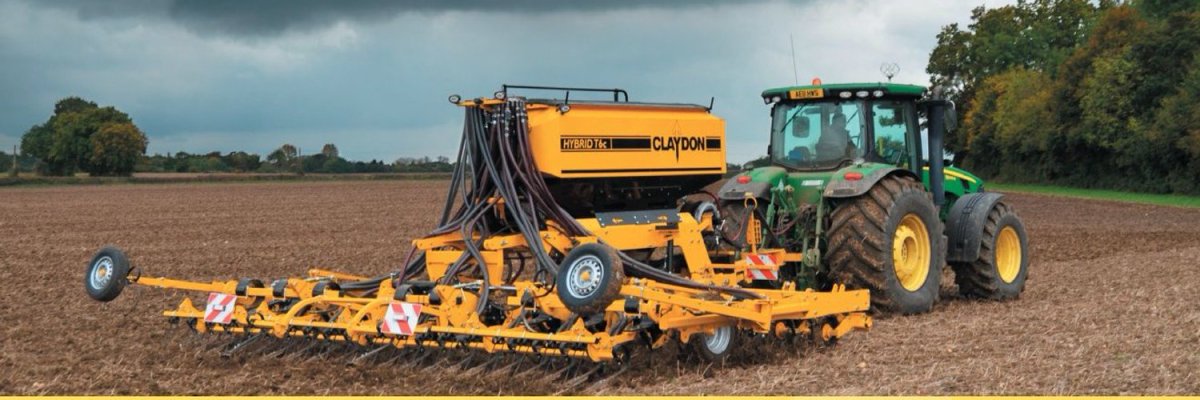
Header Picture Source: https://x.com/ClaydonDrill/status/1870046933424758972

Blog sitemap: https://rainwater.blog/sitemap/ .

Categories
Posts rain barrel rainbarrel rainfall Sitemap

RainBarrel

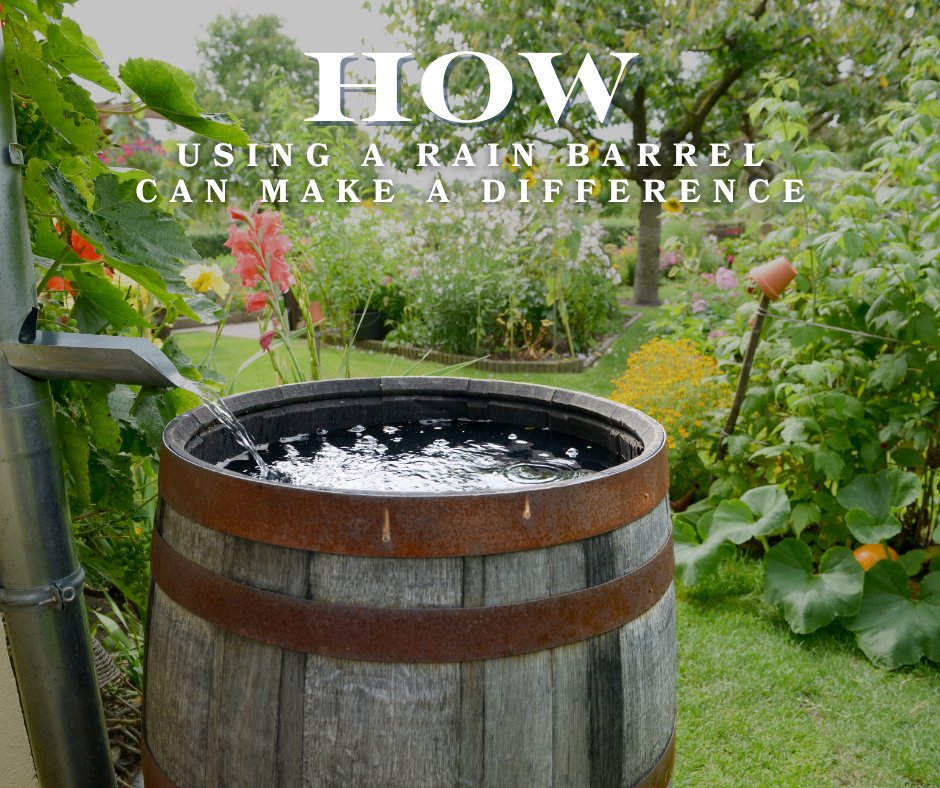
How using a rainbarrel make a difference.

  • Rain barrels reduce surface runoff water pollution by capturing and containing rainwater, decreasing the total amount of runoff water.
  • Less runoff means water can seep back into the ground slowly, reducing the amount of polluted water that runs into rivers and streams, which ultimately conserves bodies of water.
  • Average roof collects 600 gallons of water for every inch of rain.
  • Capturing some of that stormwater could play an important role in protecting our freshwater resources.
  • Rain barrels are one simple first step that can set small business owners, schools, home owners, and corporations down the path of freshwater conservation.
  • Rain barrels can not only help save money on municipal water bills but they can also reduce erosion and flooding caused by turbulent stormwater runoff.

Collecting rainwater in barrels is a cheap and easy way to reduce stormwater runoff.

Some other options for a one-inch rain event, even on a small 8′ x 10′ roof area can fill up 50 gallon rain barrel–that is a lot of water that does not become runoff.

Rain barrels range in size from 30 gallon to 100 gallon containers.

Installing them is easy and requires no special tools to set up at your business, home, or school.

There are numerous tutorials and guidelines available online that can answer specific questions and provide creative ideas on how to decorate your barrel to make it visually attractive.

So what can you do with all this rainwater that collects in the barrels?

Water your plants, water a composter, or wash your car to repurpose the water.

If you’ve collected more water than you can use, just release it on a sunny day when the ground is dry and the water will be absorbed. Plants will love this water! Using this recovered water for landscaping helps conserve potable water and will result in money savings.

Interested in learning more? Here are some additional resources:

The Texas Rainwater Harvesting Manual 3rd edition.

Texas Guide to Rainwater Harvesting – 2nd edition.

RainWater Blog sitemap https://rainwater.blog/sitemap/ – For complete list of blog – topic wise.

Good luck with your rain barrel!

Last updated on 19th October 2025.

Categories
firescape Firescaping

Firescape

Firescaping – Landscape Design for Defensible Space.

What is Firescaping? Firescaping is landscape design that reduces house and property vulnerability to wildfire. The goal is to develop a landscape with a design and choice of plants that offer the best defensible space and enhance the property. The ideal is to surround the house with things that are less likely to burn. It is imperative when building homes in wildfire prone areas that fire safety be a major factor in landscape design. Appropriate manipulation of the landscape can make a significant contribution toward wildfire survival.
Firescape integrates traditional landscape functions and a design that reduces the threat from wildfire. It does not need to look different than a traditional design. In addition to meeting a homeowner’s aesthetic desires and functional needs such as entertaining, playing, storage, and erosion control – firescape also includes planting for fire safety, vegetation modification techniques, use of fire safety zones, and defensible space principles.

Planting for Fire SafetyAvoid evergreens near the house.
Through proper plant selection, placement, and maintenance, we can diminish the possibility of ignition, lower fire intensity, and reduce how quickly a fire spreads, all of which increase a home’s survivability.
In firescaping, plant selection is primarily determined by a plant’s ability to reduce the wildfire threat. Other considerations may be important such as appearance, ability to hold the soil in place, and wildlife habitat value.
The traditional foundation planting of junipers is not a viable solution in a firescape design. Minimize use of evergreen shrubs and trees within 30 feet of a structure, because junipers, other conifers, and broadleaf evergreens contain oils, resins, and waxes that make these plants burn with great intensity. Use ornamental grasses and berries sparingly because they also can be highly flammable. Choose “fire smart” plants. These are plants with a high moisture content. They are low growing. Their stems and leaves are not resinous, oily, or waxy.
Deciduous trees are generally more fire resistant than evergreens because they have a higher moisture content when in leaf, a lower fuel volume when dormant, and typically do not contain flammable oils.
Choose “fire smart” plants
Placement and maintenance of trees and shrubs is as important as actual plant selection. When planning tree placement in the landscape, remember the tree’s size at maturity. Keep tree limbs at least 15 feet from chimneys, power lines, and structures. Specimen trees can be used near a structure if pruned properly and well irrigated.

Fire Safety Zones
Firescape design for defensible space uses driveways, lawns, walkways, patios, parking areas, areas with inorganic mulches, and fences constructed of non-flammable materials such as rock, brick, or cement to reduce fuel loads and create fuel breaks. Fuel breaks are a vital component in every firescape design. Water features, pools, ponds, or streams can also be fuel breaks.
Areas where wildland vegetation has been thinned or replaced with less flammable plants are the traditional fuel break. Remember, while bare ground is an effective fuel break, it is not recommended as a firescape element due to aesthetic, soil erosion, and other concerns.

Firescape Considerations
A home located on a brushy site above a south or west facing slope will require more extensive defensible space landscape planning than a house situated on a flat lot with little vegetation around it. Boulders and rocks become fire retardant elements in a design.
Whether or not a site can be irrigated will greatly influence location of hardscape (concrete, asphalt, wood decks, etc.), plant selection, and placement. Prevailing winds, seasonal weather, local fire history, and characteristics of native vegetation surrounding the site are additional important considerations.

Higher moisture content plants near the house
The 30 feet closest to a structure is the most critical defensible space area. This is an area where highly flammable fuels are kept to a minimum and plants are kept green throughout the fire season. Use well-irrigated perennials here. Another choice is low growing or non-woody deciduous plants. Lawn is soothing visually, and is also practical as a wildfire safety feature. But, extensive areas of turf grass may not be right for everyone.

Some good alternatives include clover, groundcovers, and conservation grasses that are kept green during the fire season through irrigation. Rock mulches are good choices. Patios, masonry, or rock planters are excellent fuel breaks and increase wildfire safety. Be creative with boulders, riprap, dry streambeds, and sculptural inorganic elements.

When designing a landscape for defensible space, remember less is better. Simplify visual lines and groupings. A fire safe landscape lets plants and garden elements reveal their innate beauty by leaving space between plants and groups of plants. In firescaping, the open spaces are more important than the plants.

Incorporate the following defensible space principles:
* Create a minimum 30’ defensible space area around structures (larger if there is a slope).
* Remove dead vegetation.
* Create “islands” of plants with space between.
* Create separation between layers of vegetation eliminating the “ladder” of fuels.
* Keep it green & low growing – “lean, clean, and green.”

Fact Sheet 01-33 : Firescaping Landscape Design For Defensible Space. Prepared by Anne Skelly, Carson City/Storey County, Extension Educator. Source: https://naes.agnt.unr.edu/PMS/Pubs/2001-3318.pdf

References:
(1) Gilmer, M. 1994. California Wildfire Landscaping. Taylor Publishing Company. Dallas, Texas.
(2) Maire, R.G. 1979. Landscape for Fire Protection. University of California Agriculture Extension Service. Los Angeles, California.
(3) Smith, E. & G. Adams. 1991. Incline Village/Crystal Bay Defensible Space Handbook. University of Nevada. Reno, Nevada.

Nevada University Extension Centre – A Firescape Guide.

Nevada University Extension Centre – Living with Fire.

How to Firescape Your Home

Blog sitemap: https://rainwater.blog/sitemap/ .
Categories
Agriculture Conservation Agriculture Straw Harrow StrawHarrow Stubble Burning StubbleBurning

Six reasons to use a Straw Harrow

Twitter notes on reasons to use straw harrow by Spencer Claydon

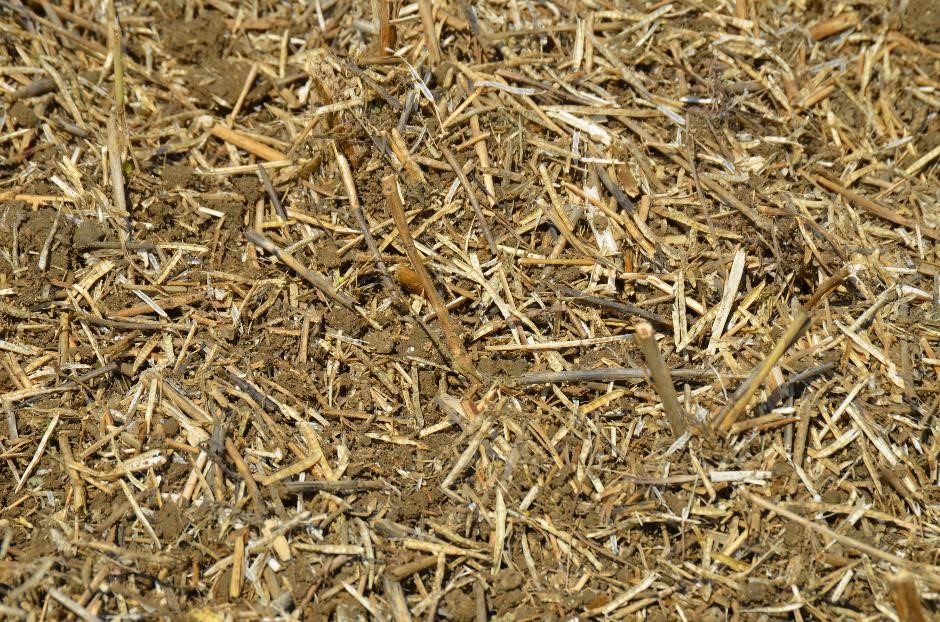
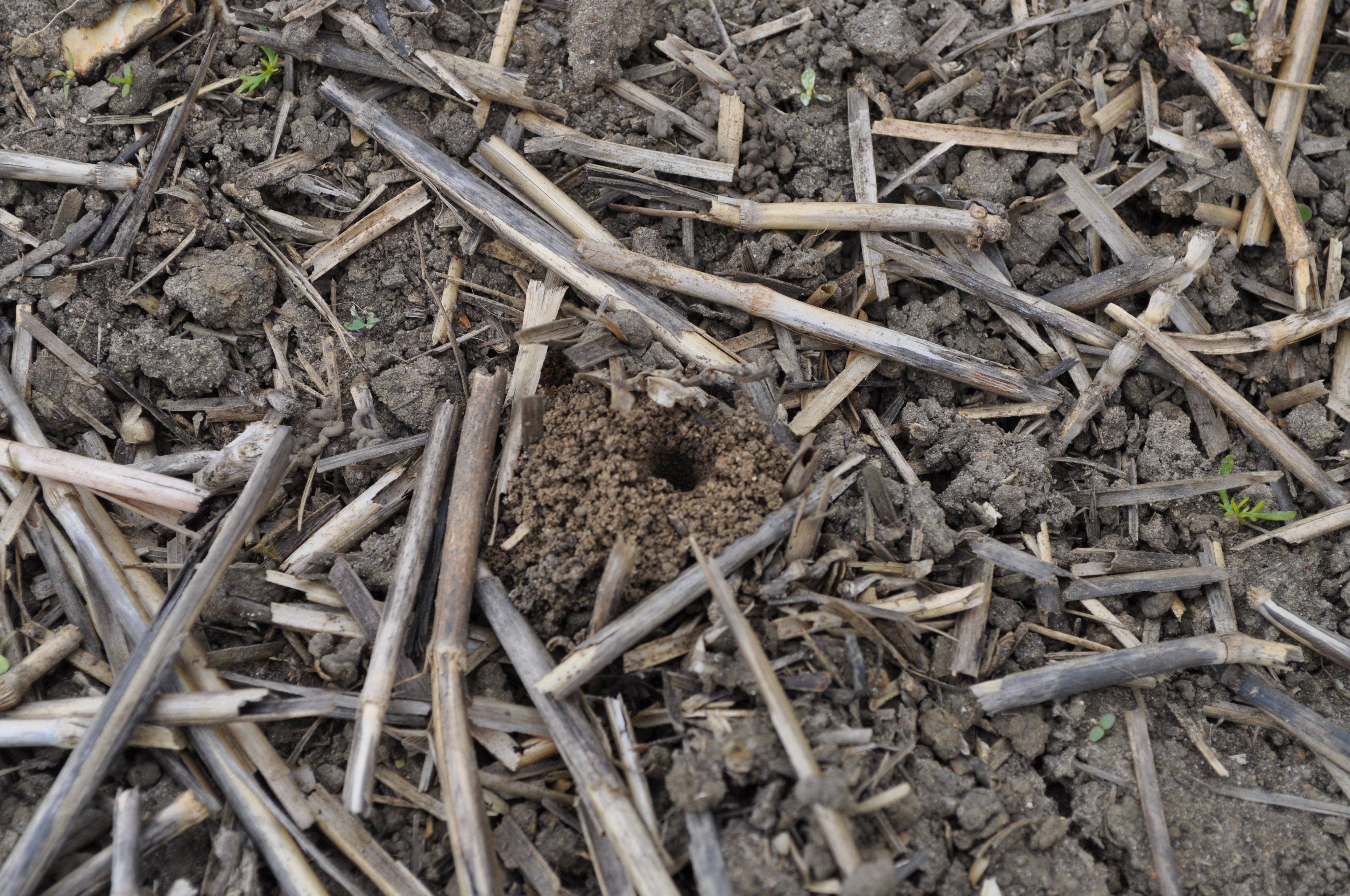
Reason 1 : Reasons to straw harrow when direct drilling : Manage stubbles

Claydon Straw Harrows break down & disperse crop residues across the field and on headlands. #strawharrow Source: https://x.com/ClaydonDrill/status/1803072677315305695

Reason 2 : Reasons to straw harrow when direct drilling : Generating tilth, raking out weeds.

Reason 3 : Reasons to straw harrow when direct drilling : Reducing slug populations.

High speed harrowing turns over crop residues and exposes them to ultra violet light, desiccating slug eggs.

#stubblemanagement #claydondrill #OptiTill #organicfarming #slugcontrol

Reason 4 : Reasons to straw harrow when direct drilling : Warming overwintered soils.

#claydondrill #strawharrow #springdrilling #loveyoursoil #strawrake #warmyoursoil

Reason 5 : Return nutrients & organic matter to soil by.

•Distributing straw evenly across soil surface
•Breaking soil cap & stimulating bacteria
•Breaking down residues helping worms to harvest
#claydondrill #strawharrow #OptiTill
Source: https://x.com/ClaydonDrill/status/1805152206968045909

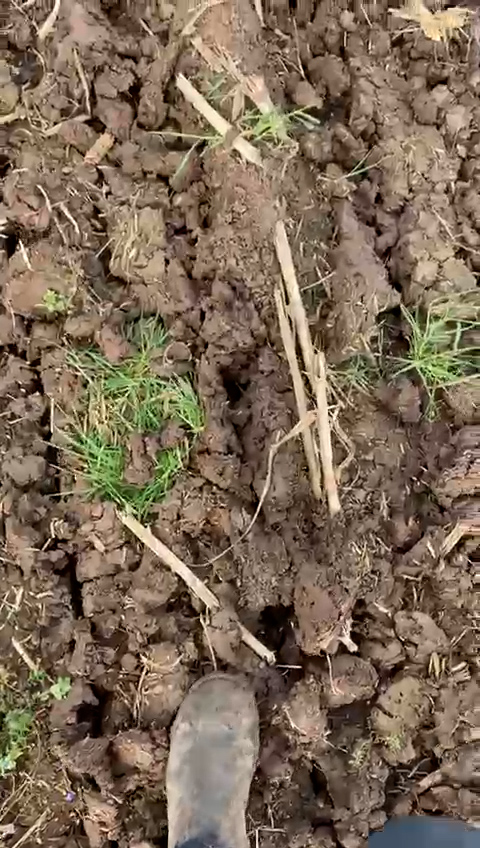
Reason 6 : Six reasons to use a Straw Harrow – Transforming slabby seedbeds.

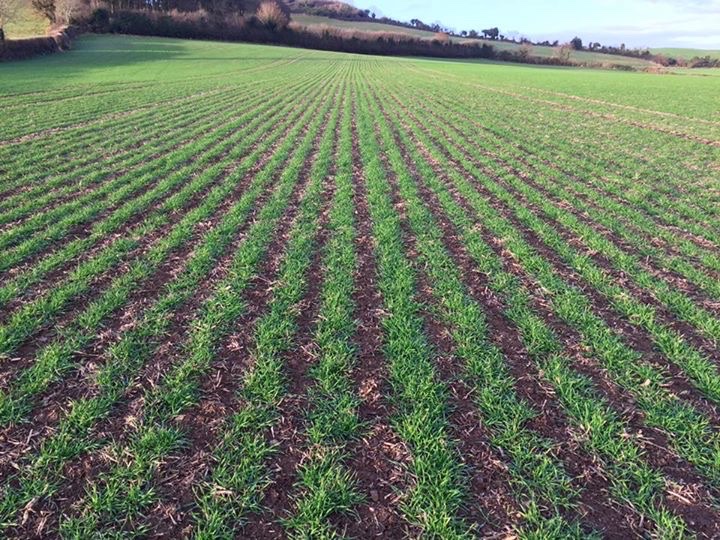
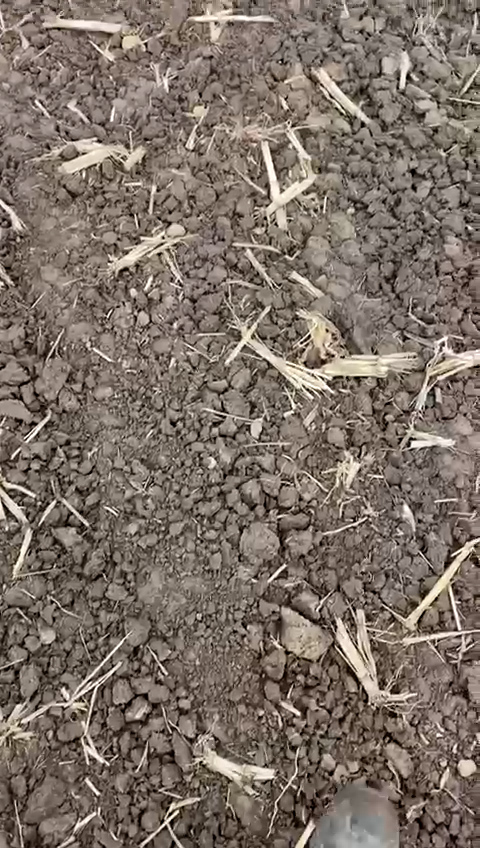
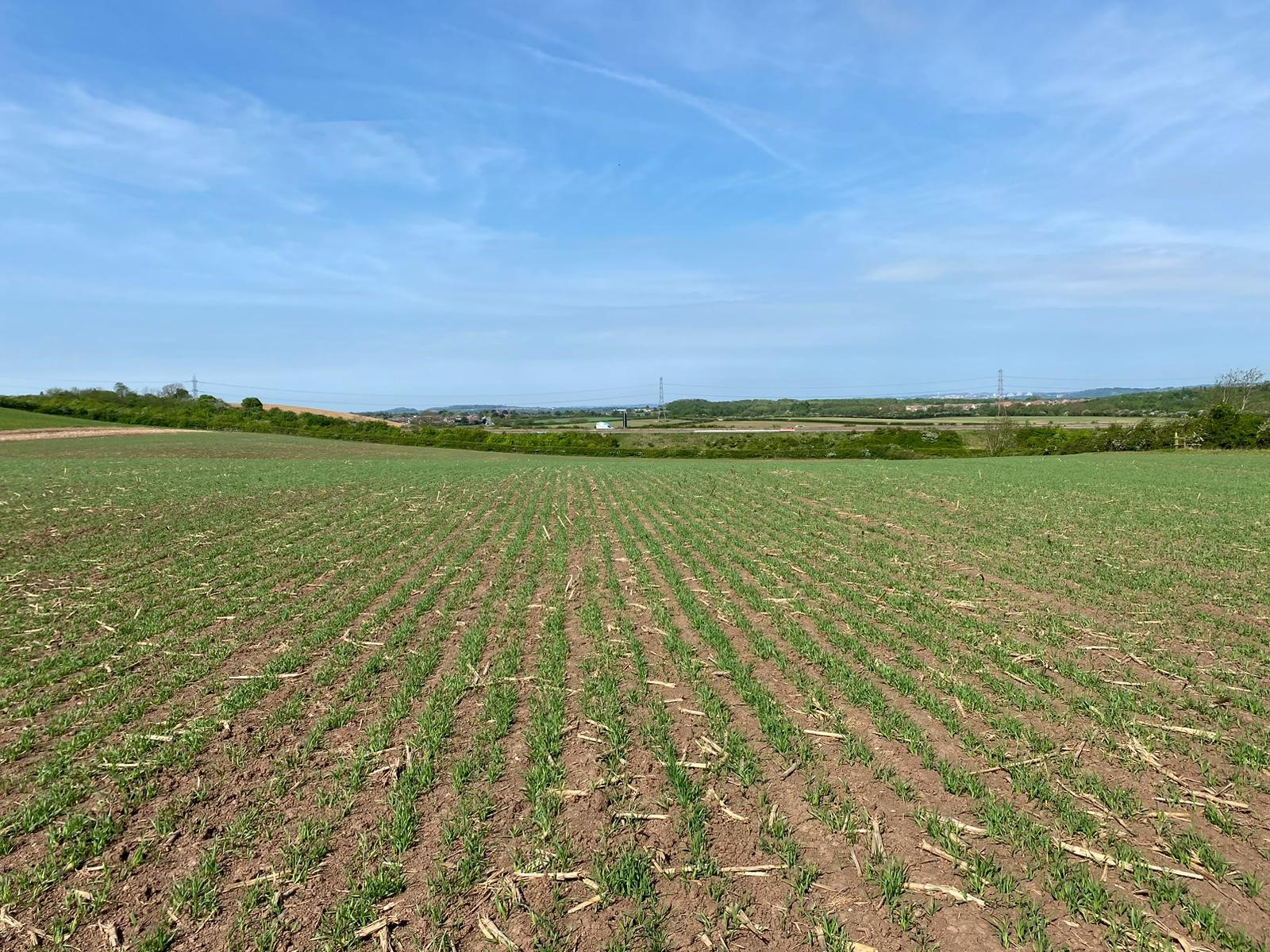
The straw harrow breaks down slabby seedbeds and clods into smaller particles, covering open rows left by drilling in imperfect conditions, as this field demonstrates:
Photo-1: Slabby.
Photo-2: Covered.
Photo-3: Crop.
Source: https://x.com/ClaydonDrill/status/1805655444935131520

Blog sitemap: https://rainwater.blog/sitemap/ .

Categories
Contour Contour Farming Contour Ploughing Strip Cropping,

Contour

Contour Ploughing and Strip Cropping

Contour ploughing is an effective technique for preventing soil erosion. Instead of ploughing in straight lines up and down slopes, farmers plough along the contour lines of the land. This helps to slow down water runoff, reduce soil erosion, and retain moisture in the soil.

Download BMPs on ContourFarming and Strip Cropping

Example of Sloping Agriculture Land Technology in the Philippines

SALT Manual – Manual for Sloping Agriculture Land Technology.

Blog sitemap: https://rainwater.blog/sitemap/ .

Categories
Gardening Guide Home Gardeners Guide Kitchen Garden

HomeGardening

Home Gardener’s Guide

About Home Garden’s Guide published by Purdue University Extension Department:

  • This publication is designed for the home gardener, whether a beginner or an old hand.
  • New gardeners will find it basic enough and that experienced gardeners will find new ideas and solutions to some of their old problems.
  • Included is information on the planning, planting, and care of vegetables.
  • In addition, there is a garden plan and planting guide showing the distance between rows, when to plant and how much to plant.
  • Download Home Gardener’s Guide from the link below:

Blog sitemap: https://rainwater.blog/sitemap/ .