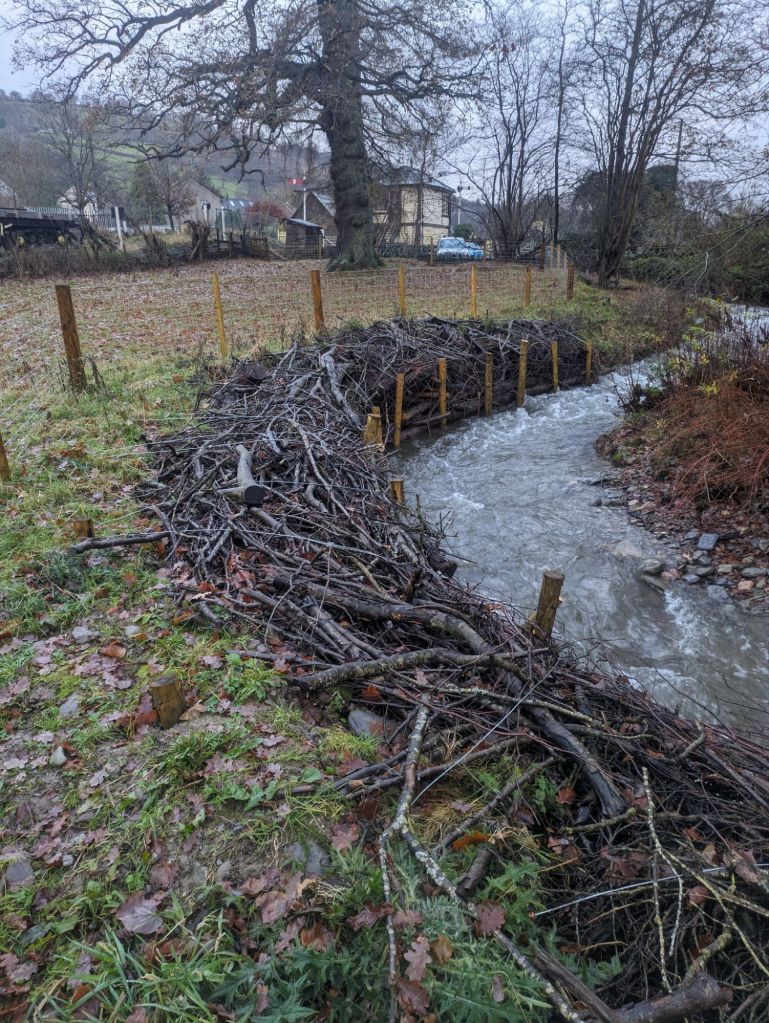
Peter Powell – photo of one of our habitat restoration sites from last week. The brash is pinned in to stop erosion of the bank but will also provide homes for invertebrates and cover for fish. Willow is included, this will sprout into new trees to make the structure alive and permenant.
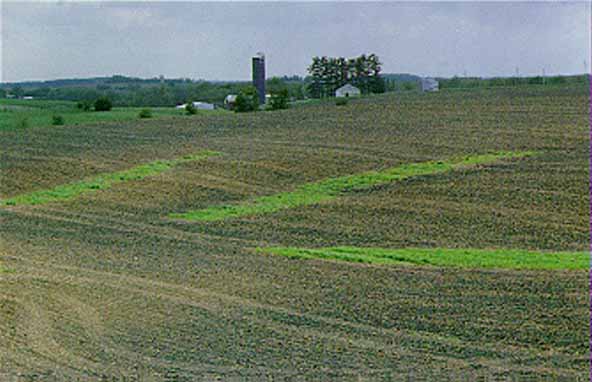
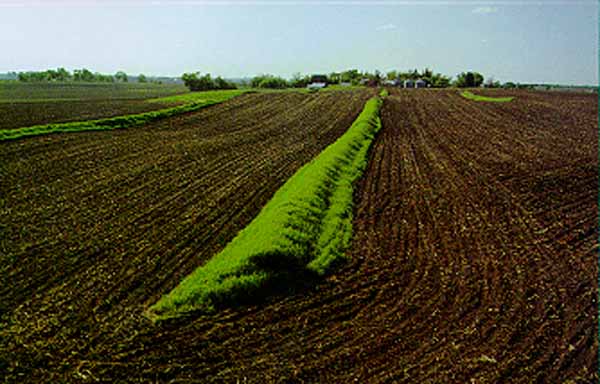
Critical Area Planting Establish vegetation in small areas of isolated erosion. The grass, trees, or shrubs provide surface cover to stop raindrop splash and slow water flow.Cover Crops Plant crops, including cereal rye, oats and winter wheat, to temporarily protect the ground from wind and water erosion during times when cropland isn’t adequately protected.Conservation Tillage Leave last year’s crop residue on the surface before and during planting operations to provide cover for soil. Crop residue shields soil particles from rain and wind until crops produce a protective canopy.Water and Sediment Control Basins Build an embankment across a depressional area of concentrated water runoff to act similar to a terrace. It traps sediment and water running off farmland above the structure.Grassed Waterways Grade and shape a natural drainageway to form a smooth, bowl shaped channel, and seed to sod-forming grasses. Runoff flows down the grassed drainageway, preventing erosion and the formation of gullies.
A Cover Crop is a non-cash crop planted to keep ground covered. This video explores how Charlie Roberts in Halls, TN is using this practice to protect soil health and increase water infiltration on his cropland.
Major benefits of this practice include: 1. Decreases erosion 2. Improves soil health 3. Decreases soil compaction 4. Reduces evaporation 5. Reduces input cost
Conservation tillage Read more from https://allenswcd.org/conservation-tillage/ . The Benefits of Conservation Tillage: (1) Agronomics, (2) Monetary, (3) Environmental. (1) Agronomics: (a) Improves Soil Tilth, (b)
The Conservation at Work video series was created to increase producer awareness of common conservation practices and was filmed at various locations throughout the country. Because conservation plans are specific to the unique resource needs on each farm and also soil type, weather conditions, etc., these videos were designed to serve as a general guide to the benefits of soil and water conservation and landowners should contact their local USDA office for individual consultation. USDA is an equal opportunity provider, employer, and lender. #CoverCrops #SoilHealth #Conservation
#SoilTilth – Soil Tilth – Crop rotations can have a positive impact on soil tilth, depending on the crops that are being alternated. Additional ways to improve soil tilth include reducing tillage and using cover crops. https://www.sare.org/publications/crop-rotation-on-organic-farms/physical-and-biological-processes-in-crop-production/crop-rotation-and-soil-tilth/ . Conservation Tillage- Crop production where little or no tillage occurs defines conservation tillage. Conservation tillage benefits water quality because it reduces soil erosion and run-off. Soil erosion degrades the quality of our soil resource by washing away valuable organic matter, nutrients, and minerals. These materials, called sediment, usually end up in our streams and lakes and impair drainage, wildlife and fish habitat, and recreational values. Also, run-off carries fertilizers and pesticides which impair water quality. https://youtu.be/Rpl09XP_f-w




 Raincentre's Blog