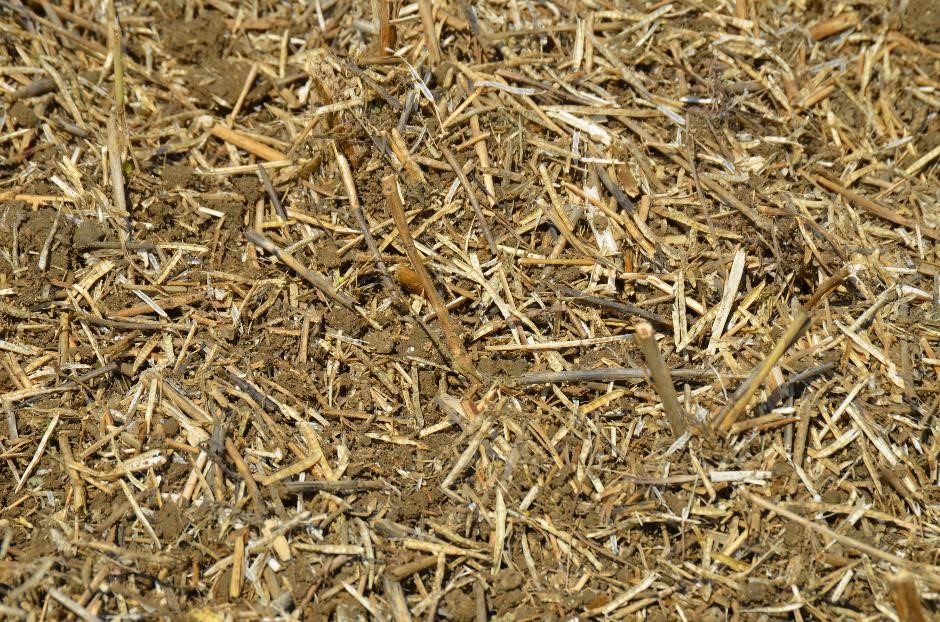
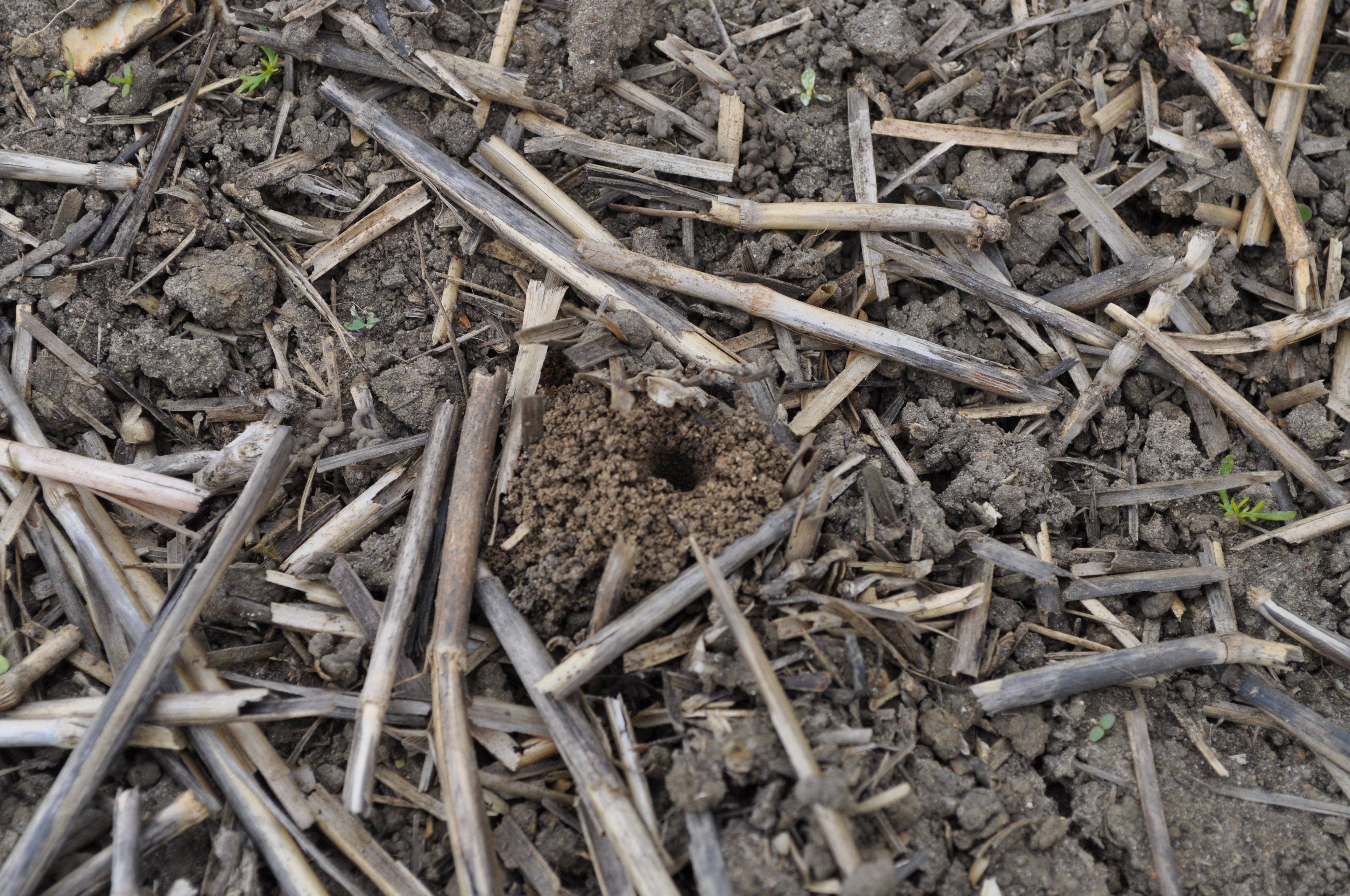
Reasons to straw harrow when direct drilling 1: Manage stubbles These photos show how thick layers of poorly chopped/spread straw from the combine risk patchy establishment. Claydon Straw Harrows break down & disperse crop residues across the field and on headlands. #strawharrowpic.twitter.com/hd9HyC4n9F
•Distributing straw evenly across soil surface •Breaking soil cap & stimulating bacteria •Breaking down residues helping worms to harvest #claydondrill #strawharrow #OptiTill Source: https://x.com/ClaydonDrill/status/1805152206968045909
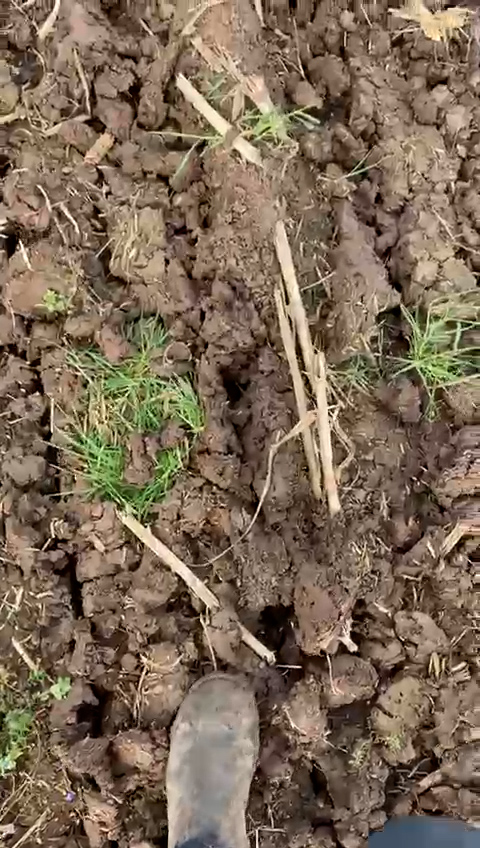
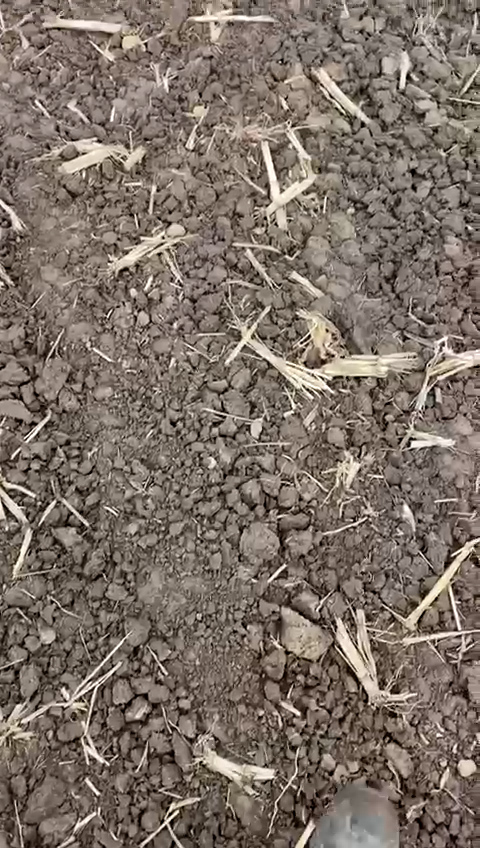
Reason 6 : Six reasons to use a Straw Harrow – Transforming slabby seedbeds.
The straw harrow breaks down slabby seedbeds and clods into smaller particles, covering open rows left by drilling in imperfect conditions, as this field demonstrates: Photo-1: Slabby. Photo-2: Covered. Photo-3: Crop. Source: https://x.com/ClaydonDrill/status/1805655444935131520
Stubble burning continues in Punjab; visuals from Amritsar (08.10.2022)
We are helpless, we know this causes pollution but don't have any alternative. Even if machinery or some technology is introduced to destroy stubble, we wouldn't have the money to buy it, says a local farmer pic.twitter.com/aZq4URTvcC
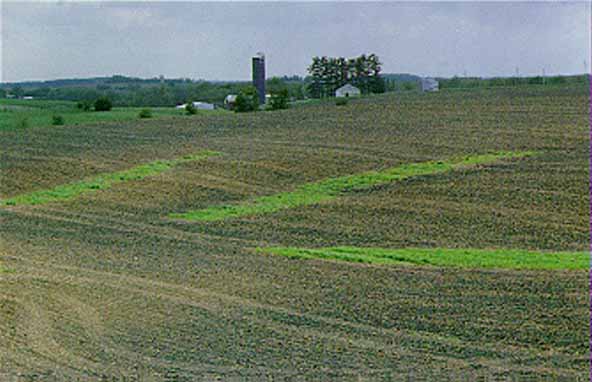
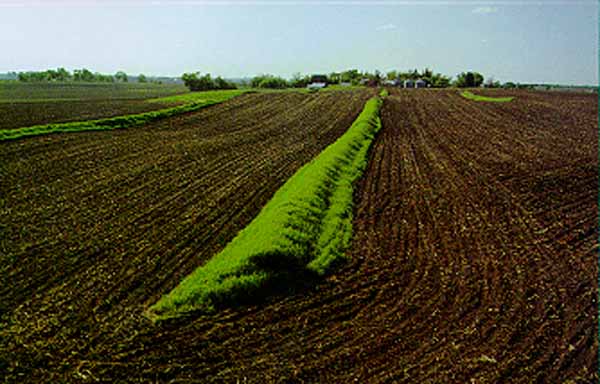
Critical Area Planting Establish vegetation in small areas of isolated erosion. The grass, trees, or shrubs provide surface cover to stop raindrop splash and slow water flow.Cover Crops Plant crops, including cereal rye, oats and winter wheat, to temporarily protect the ground from wind and water erosion during times when cropland isn’t adequately protected.Conservation Tillage Leave last year’s crop residue on the surface before and during planting operations to provide cover for soil. Crop residue shields soil particles from rain and wind until crops produce a protective canopy.Water and Sediment Control Basins Build an embankment across a depressional area of concentrated water runoff to act similar to a terrace. It traps sediment and water running off farmland above the structure.Grassed Waterways Grade and shape a natural drainageway to form a smooth, bowl shaped channel, and seed to sod-forming grasses. Runoff flows down the grassed drainageway, preventing erosion and the formation of gullies.
A Cover Crop is a non-cash crop planted to keep ground covered. This video explores how Charlie Roberts in Halls, TN is using this practice to protect soil health and increase water infiltration on his cropland.
Major benefits of this practice include: 1. Decreases erosion 2. Improves soil health 3. Decreases soil compaction 4. Reduces evaporation 5. Reduces input cost
Conservation tillage Read more from https://allenswcd.org/conservation-tillage/ . The Benefits of Conservation Tillage: (1) Agronomics, (2) Monetary, (3) Environmental. (1) Agronomics: (a) Improves Soil Tilth, (b)
The Conservation at Work video series was created to increase producer awareness of common conservation practices and was filmed at various locations throughout the country. Because conservation plans are specific to the unique resource needs on each farm and also soil type, weather conditions, etc., these videos were designed to serve as a general guide to the benefits of soil and water conservation and landowners should contact their local USDA office for individual consultation. USDA is an equal opportunity provider, employer, and lender. #CoverCrops #SoilHealth #Conservation
#SoilTilth – Soil Tilth – Crop rotations can have a positive impact on soil tilth, depending on the crops that are being alternated. Additional ways to improve soil tilth include reducing tillage and using cover crops. https://www.sare.org/publications/crop-rotation-on-organic-farms/physical-and-biological-processes-in-crop-production/crop-rotation-and-soil-tilth/ . Conservation Tillage- Crop production where little or no tillage occurs defines conservation tillage. Conservation tillage benefits water quality because it reduces soil erosion and run-off. Soil erosion degrades the quality of our soil resource by washing away valuable organic matter, nutrients, and minerals. These materials, called sediment, usually end up in our streams and lakes and impair drainage, wildlife and fish habitat, and recreational values. Also, run-off carries fertilizers and pesticides which impair water quality. https://youtu.be/Rpl09XP_f-w






 Raincentre's Blog