An alternative to rice stubble burning for growing winter wheat includes several sustainable practices that aim to reduce environmental pollution while maintaining or even enhancing soil health and crop yield:
Use of Machinery for Stubble Management:
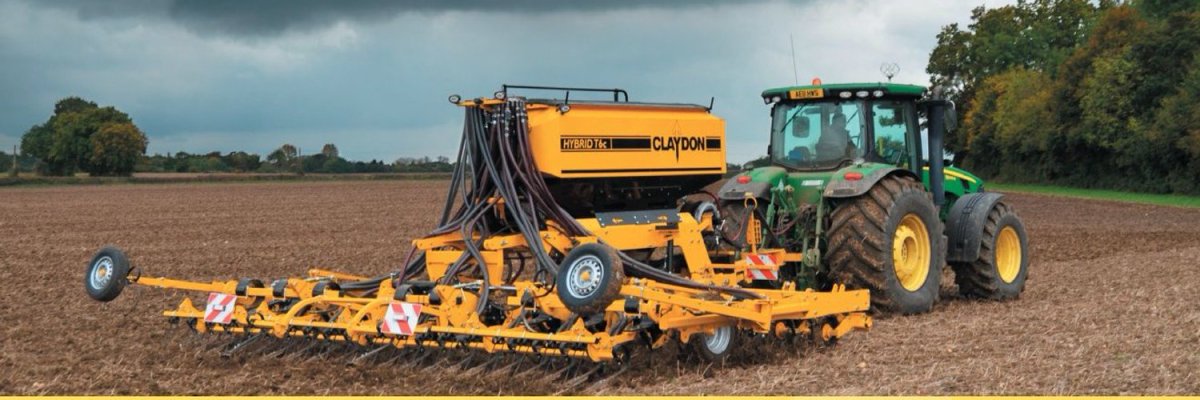
Happy Seeder: This machine cuts and lifts rice straw, allowing wheat to be sown directly into the soil without prior removal of residue. The straw is then spread over the sown area as mulch, which helps in moisture retention and reduces weed growth.
Super Seeder: Similar to the Happy Seeder, this machine is designed to mix the stubble into the soil, providing organic matter back to the soil while preparing it for wheat planting.
Paddy Straw Chopper-cum-Spreader: This technology chops the straw into smaller pieces, facilitating easier incorporation into the soil or use as mulch.
Incorporation of Stubble into Soil:
Through methods like using rotavators or disc harrows, chopped straw can be mixed into the soil, enhancing soil structure and fertility. This practice, known as in-situ management, can improve nutrient availability for the next crop cycle.
Bio-decomposer Application:
Use of microbial solutions like the Pusa bio-decomposer, which converts crop residue into manure within 15-20 days, offering a biological alternative to burning. This not only prevents air pollution but also enriches the soil.
Zero-Tillage Practices:
Techniques like zero-tillage or minimum tillage for wheat sowing directly into the rice stubble can reduce soil disturbance, preserve soil structure, and enhance moisture conservation. This method has shown to be effective in reducing lodging during adverse weather conditions.
Alternative Crop Rotation and Diversification:
Encouraging the growth of different crops like millets or maize after rice can reduce the reliance on rice-wheat rotation, thereby reducing the amount of stubble produced and needing management. Crop diversification can also benefit soil health and water management.
Ex-Situ Utilization:
Collecting and using rice stubble for other purposes such as animal feed, compost manure, bioenergy, or even industrial uses like paper production can be economically viable alternatives, reducing the need for burning.
These methods not only mitigate the environmental impact of stubble burning but also contribute positively to soil health, reduce the need for chemical fertilizers, and can potentially improve crop yield through better soil management. However, adoption rates can be influenced by the availability of technology, economic incentives, and farmer education on these practices.
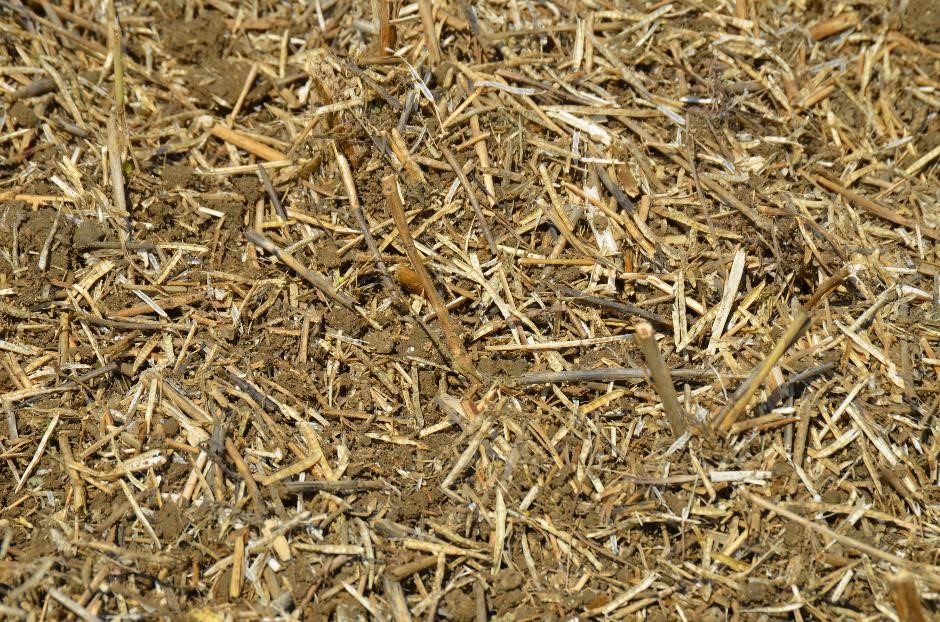
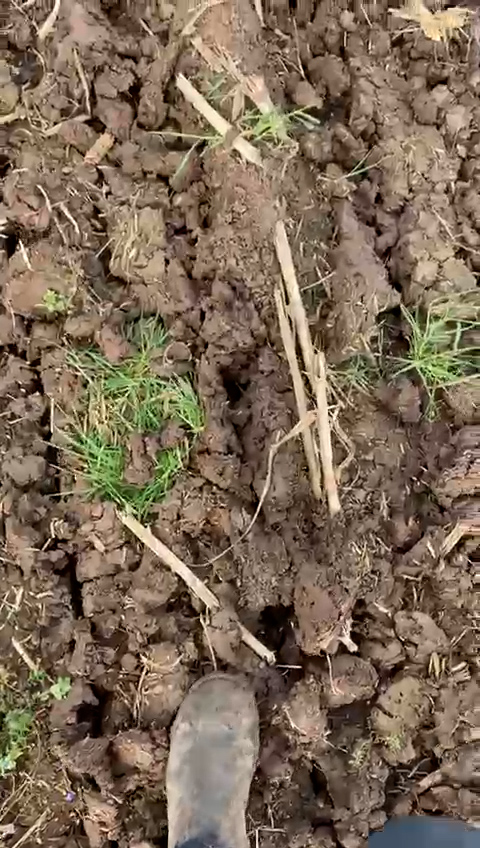
Reasons to straw harrow when direct drilling 1: Manage stubbles These photos show how thick layers of poorly chopped/spread straw from the combine risk patchy establishment. Claydon Straw Harrows break down & disperse crop residues across the field and on headlands. #strawharrowpic.twitter.com/hd9HyC4n9F
•Distributing straw evenly across soil surface •Breaking soil cap & stimulating bacteria •Breaking down residues helping worms to harvest #claydondrill #strawharrow #OptiTill Source: https://x.com/ClaydonDrill/status/1805152206968045909
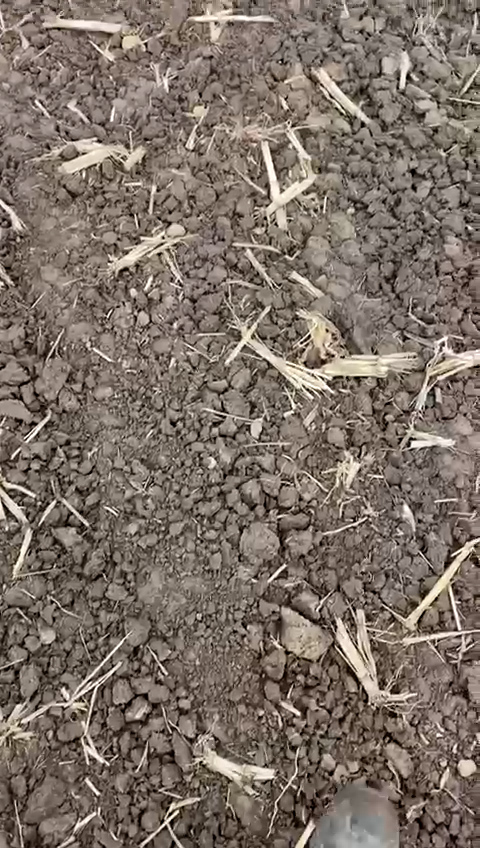
Reason 6 : Six reasons to use a Straw Harrow – Transforming slabby seedbeds.
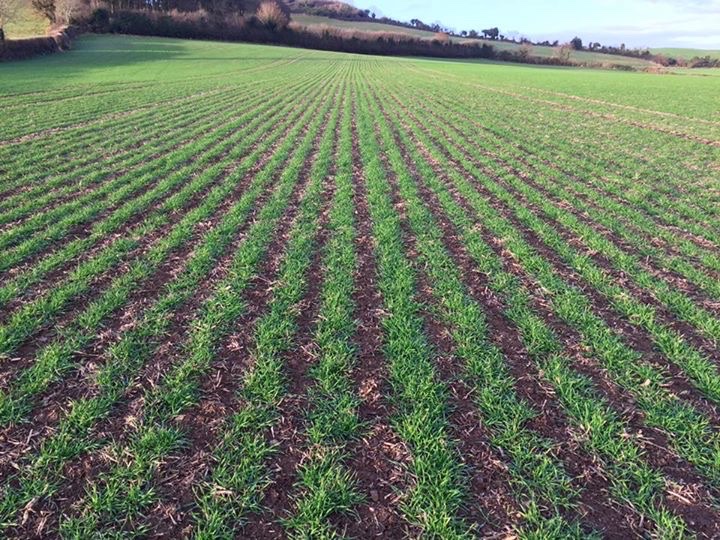
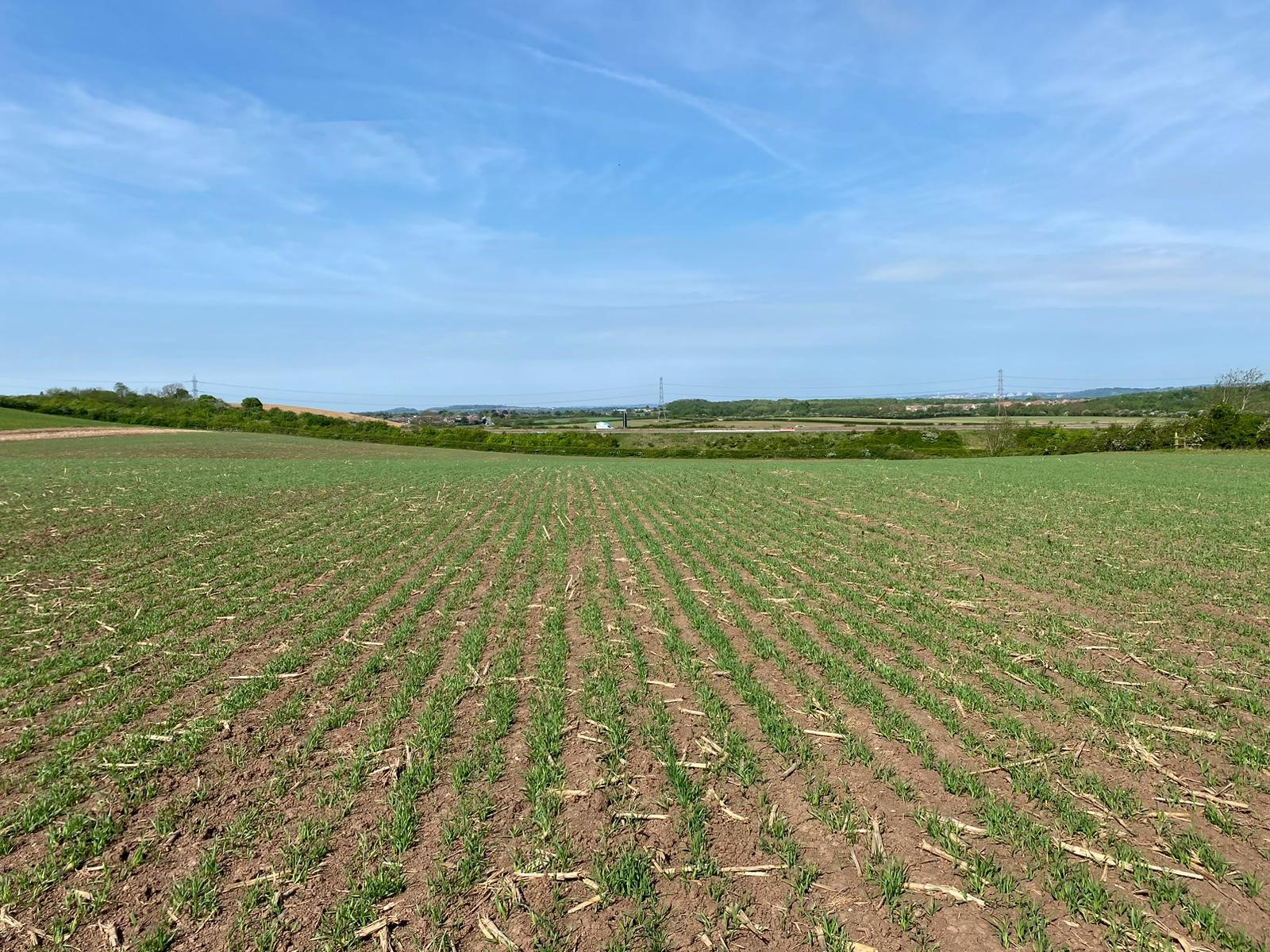
The straw harrow breaks down slabby seedbeds and clods into smaller particles, covering open rows left by drilling in imperfect conditions, as this field demonstrates: Photo-1: Slabby. Photo-2: Covered. Photo-3: Crop. Source: https://x.com/ClaydonDrill/status/1805655444935131520
Stubble burning continues in Punjab; visuals from Amritsar (08.10.2022)
We are helpless, we know this causes pollution but don't have any alternative. Even if machinery or some technology is introduced to destroy stubble, we wouldn't have the money to buy it, says a local farmer pic.twitter.com/aZq4URTvcC
Mole drainage, on the right soil type and when installed correctly, can help reduce waterlogging problems substantially.
Mole drainage is widely used in New Zealand and the United Kingdom in heavy soils to improve productivity of pastures and crops. Mole drainage was popular with dairy farmers in the 1960s in Victoria but these often failed due to reasons now more fully understood. Recent research has resulted in robust guidelines for installing mole drains so they are more effective for longer, with a greatly reduced failure rate.
What is a mole drain?
Mole drains are unlined channels formed in clay subsoil. They’re formed by pulling a ripper blade (or leg) with a cylindrical foot (or torpedo) attached on the bottom through the subsoil. A plug (or expander) is often used to help compact the channel wall. The foot is usually chisel-pointed and the entire point is hard-faced by welding. More frequent hard-facing of the underside will increase the effective life of the torpedo. The beam is the main rail that carries the leg and torpedo.
Mole drains are used in heavy soils where a clay subsoil near moling depth (400 to 600cm) prevents downward movement of ground water. Mole drains are a more sophisticated drainage system than open drains. Mole drains do not drain groundwater but remove water as it enters from the ground surface.
Mole drains over a collector pipe system
A mole drain over a collector pipe system is recommended in:
soils where mole drains would have a very short lifespan due to sandy or stoney areas
heavy clay type soils, or
lengths greater than about 80 metres to reach an outfall
This system requires the installation of slotted subsurface drainage pipes at approximately 60m to 100m apart, across which mole drains are pulled. This system is useful where soil may contain stones or sandy patches in the profile, at drainage depth, which could collapse when moled. The relatively close spacing of the pipes and shorter mole drain lengths will minimise the area affected by the resultant poor drainage when the mole drain collapses.
Permeable backfill such as washed sand, small screenings or small diameter ‘pea’ gravel is placed (backfilled) on top of the slotted pipe in the base of the trench. The collector pipe will have been installed using a laser to ensure a constant fall in the pipe to the outfall. Depending on the clay content and its depth, this backfill must reach at least 150mm above the moling depth so that the water moves into the backfill via the mole channel.
Mole drains are then installed at an angle (often 70 to 900) to the direction of the pipes. Excess ground water flows into and along the mole drains, then drains into the porous backfill above the pipes, and is then quickly removed to outfalls via the subsurface collector pipes.
Mole Plough
Mole ploughing is a method of deep tillage used in agriculture to break up compacted soil and improve drainage. It involves the use of a machine called a mole plough, which creates a vertical channel or “mole” in the soil by pushing a blade through the earth.
The process of mole ploughing typically involves the following steps:
Preparation: Before starting the mole ploughing process, the field is usually ploughed or disked to remove any surface debris and loosen the topsoil.
Equipment Setup: The mole plough is attached to a tractor and adjusted to the desired depth and angle of operation.
Soil Penetration: The mole plough blade is then lowered into the soil and pulled through the earth by the tractor. As the blade moves through the soil, it creates a vertical channel or mole that can be up to 1m deep.
Soil Fracturing: As the mole plough moves through the soil, it fractures and loosens the soil around the channel, creating pockets of air and allowing for better water penetration and drainage.
Incorporation: Some mole ploughs are equipped with a device that can add organic matter, such as compost or manure, to the channel as it is being created. This helps to improve soil fertility and structure.
Soil Closure: Once the mole plough has created the channel, the soil is allowed to settle and the channel is gradually closed by the surrounding soil.
Mole ploughing is an effective method for improving soil structure and reducing compaction, which can lead to increased crop yields and improved soil health over time. However, it should be used with caution, as excessive deep tillage can also disrupt soil ecosystems and lead to soil erosion.
How to mole plough for optimum benefits. Mole drainage, when completed correctly on the right type of soil type can assist in reducing problems of waterlogging. To help farmers get the most from the process there is a need for farmers to understand how to mole plough and construct effective mole drains.
Wet winter soils are a common problem in parts of the United kingdom and surface drainage has potential to improve the situation by removing excess surface water. For greatest impact the profile of the soil profile needs to be drained so that crops and pastures have the capability to reach their potential and stock damage through compaction and treading can be reduced.
Mole drainage is widely used on heavy soils to improve productivity of pastures and crops in this article we consider How To Mole Plough … Further Reading https://bdolphin.co.uk/news/mole-plough/
Farming equipments – https://claydondrill.com/company-history/ . The Claydon family have farmed the heavy clay lands of Suffolk, in the east of England, since the early 1900s. Jeff and Frank Claydon have been farming since 1970 and are the third generation to do so under the E.T. Claydon & Sons partnership.





 Raincentre's Blog