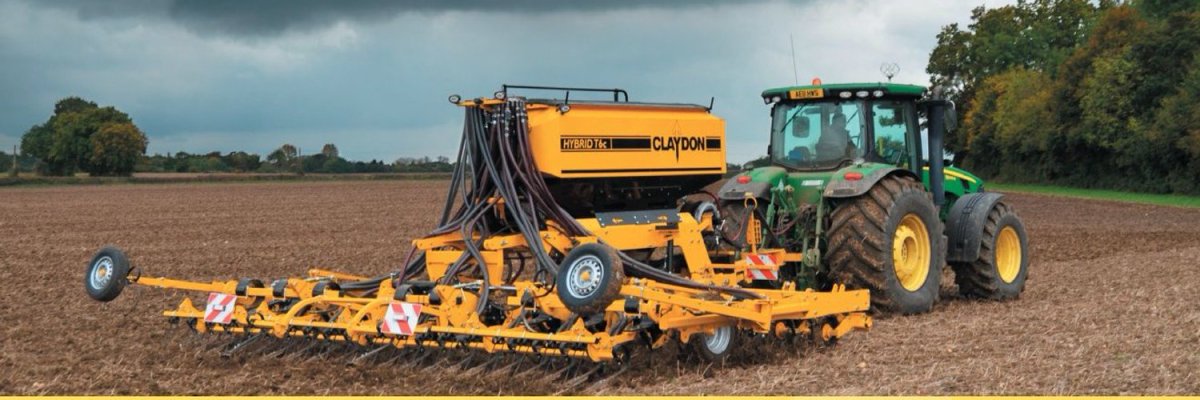
An alternative to rice stubble burning for growing winter wheat includes several sustainable practices that aim to reduce environmental pollution while maintaining or even enhancing soil health and crop yield:
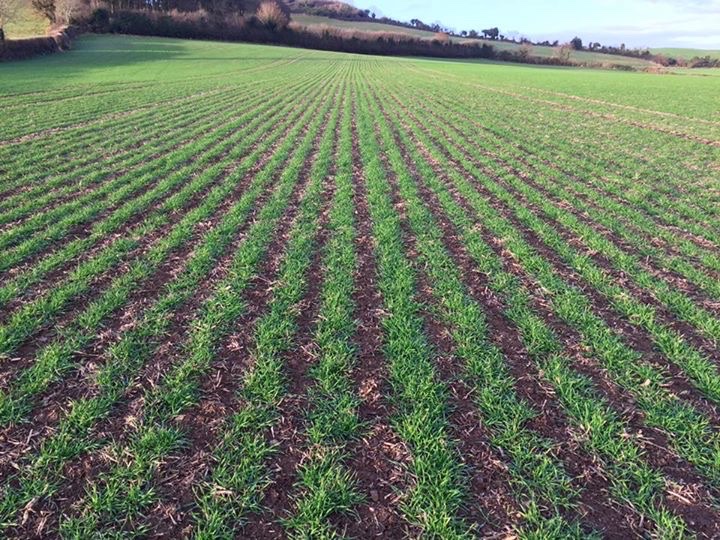
- Use of Machinery for Stubble Management:
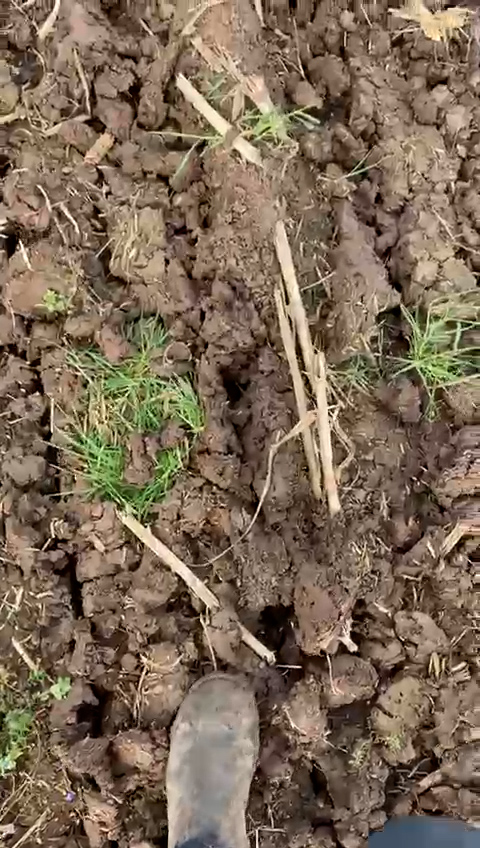
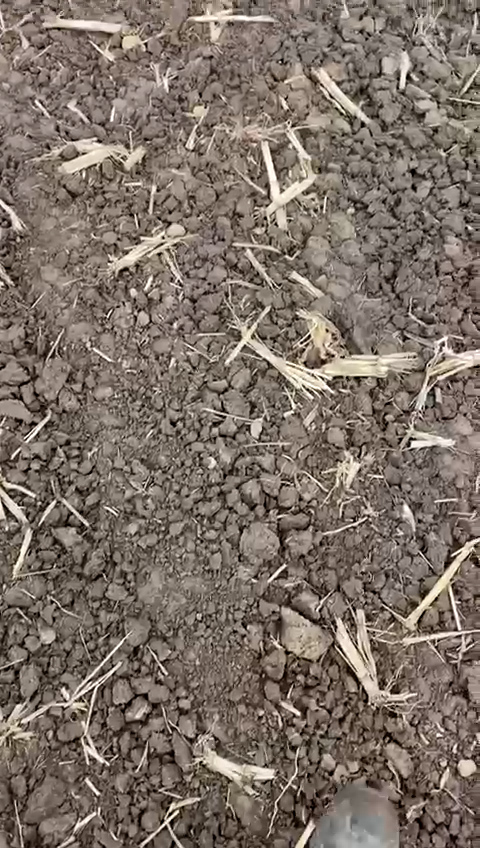
- Happy Seeder: This machine cuts and lifts rice straw, allowing wheat to be sown directly into the soil without prior removal of residue. The straw is then spread over the sown area as mulch, which helps in moisture retention and reduces weed growth.
- Super Seeder: Similar to the Happy Seeder, this machine is designed to mix the stubble into the soil, providing organic matter back to the soil while preparing it for wheat planting.
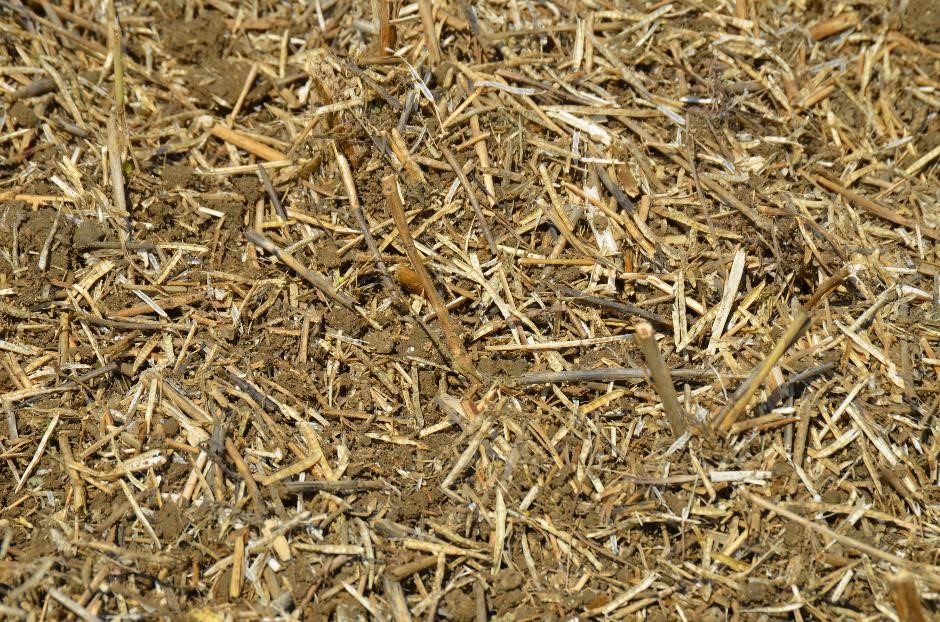
- Paddy Straw Chopper-cum-Spreader: This technology chops the straw into smaller pieces, facilitating easier incorporation into the soil or use as mulch.
- Incorporation of Stubble into Soil:
- Through methods like using rotavators or disc harrows, chopped straw can be mixed into the soil, enhancing soil structure and fertility. This practice, known as in-situ management, can improve nutrient availability for the next crop cycle.
- Bio-decomposer Application:
- Use of microbial solutions like the Pusa bio-decomposer, which converts crop residue into manure within 15-20 days, offering a biological alternative to burning. This not only prevents air pollution but also enriches the soil.
- Zero-Tillage Practices:
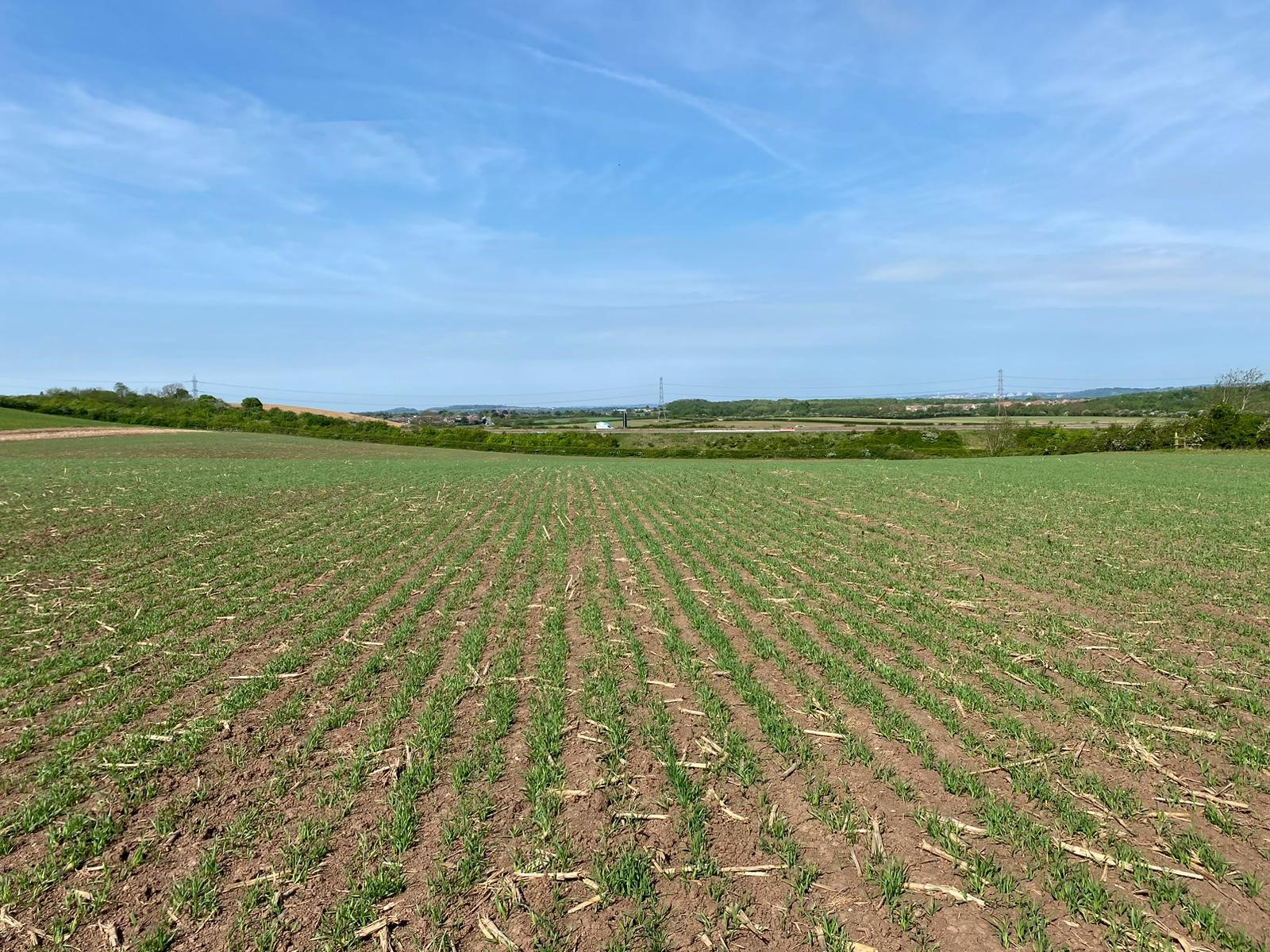
- Techniques like zero-tillage or minimum tillage for wheat sowing directly into the rice stubble can reduce soil disturbance, preserve soil structure, and enhance moisture conservation. This method has shown to be effective in reducing lodging during adverse weather conditions.
- Alternative Crop Rotation and Diversification:
- Encouraging the growth of different crops like millets or maize after rice can reduce the reliance on rice-wheat rotation, thereby reducing the amount of stubble produced and needing management. Crop diversification can also benefit soil health and water management.
- Ex-Situ Utilization:
- Collecting and using rice stubble for other purposes such as animal feed, compost manure, bioenergy, or even industrial uses like paper production can be economically viable alternatives, reducing the need for burning.
These methods not only mitigate the environmental impact of stubble burning but also contribute positively to soil health, reduce the need for chemical fertilizers, and can potentially improve crop yield through better soil management. However, adoption rates can be influenced by the availability of technology, economic incentives, and farmer education on these practices.
Header Picture Source: https://x.com/ClaydonDrill/status/1870046933424758972
Blog sitemap: https://rainwater.blog/sitemap/ .



 Raincentre's Blog