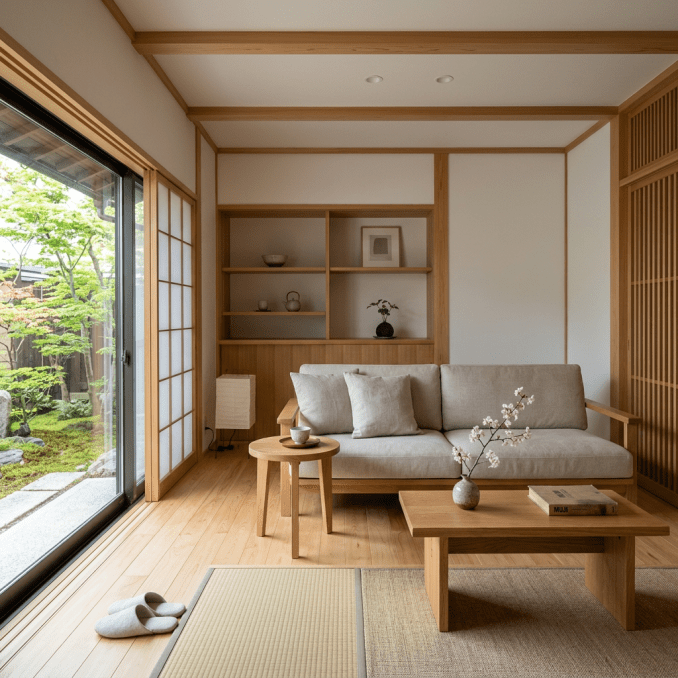
Here are 5 simple Japanese habits that promote a consistently clean and organized home. These draw from cultural practices like minimalism, prevention, and daily micro-routines (e.g., kaizen—small continuous improvements), rather than occasional deep cleans.
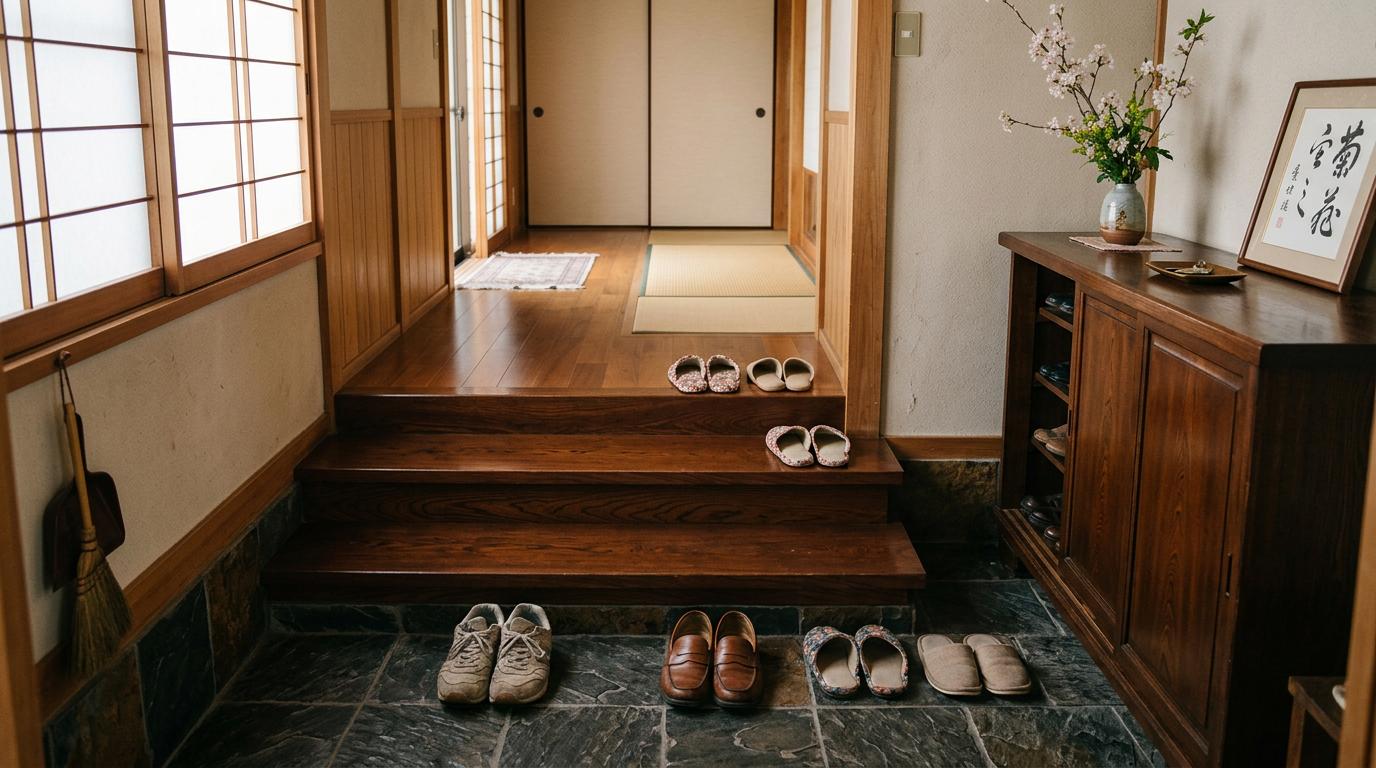
1. Shoes Off at the Genkan (Entrance).
Remove your shoes at the door and use indoor slippers. This is a foundational Japanese practice that stops ~80% of outside dirt, mud, and dust from entering living spaces. Keep the entryway tidy with a designated shoe rack or storage. Many pair this with a quick hand-wash or gargle upon arriving home.
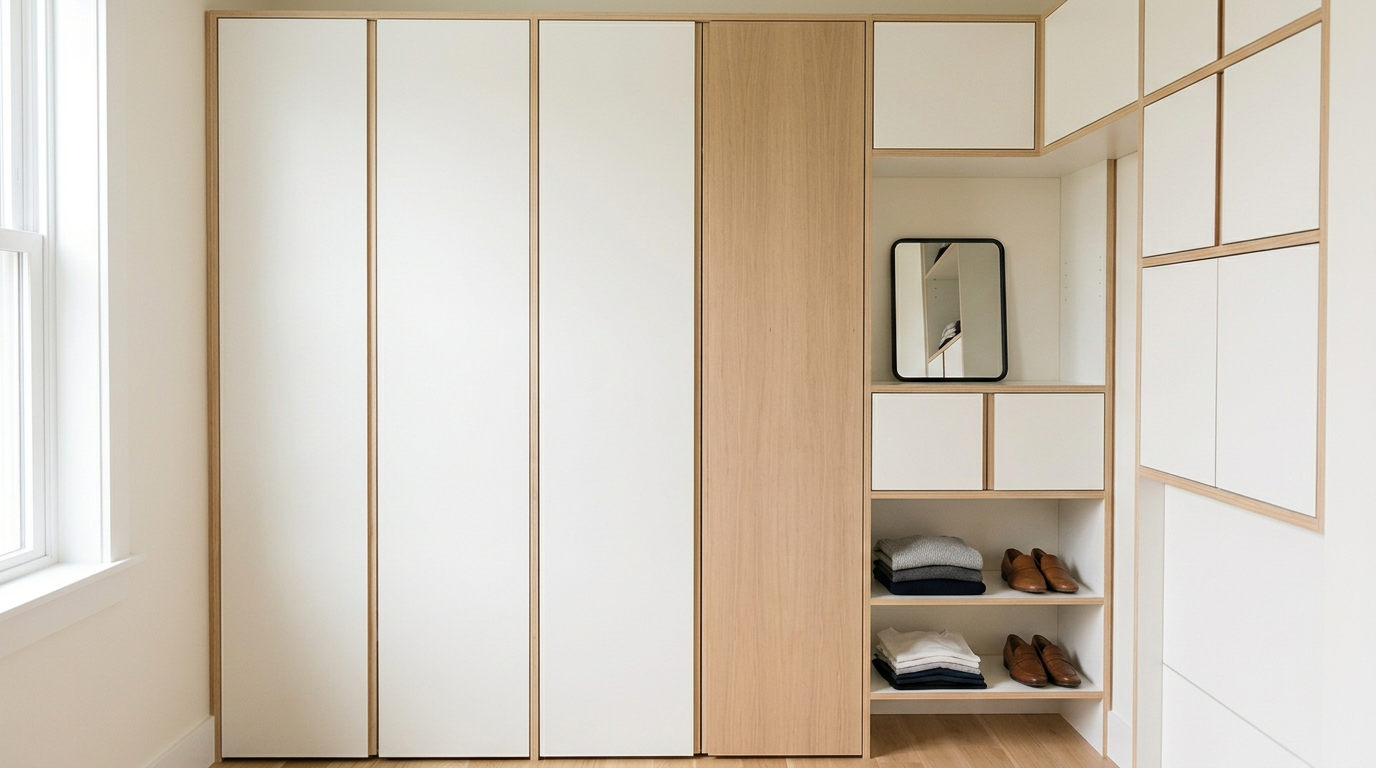
2. Everything Has a Designated Home (Shuno Jutsu / One-Touch Rule):
Assign a specific, logical spot for every item—keys on a hook, mail in a tray, clothes folded immediately. Follow the “one-touch” principle: handle each item only once (e.g., put it away right after use instead of setting it down). This prevents clutter buildup and makes tidying effortless.
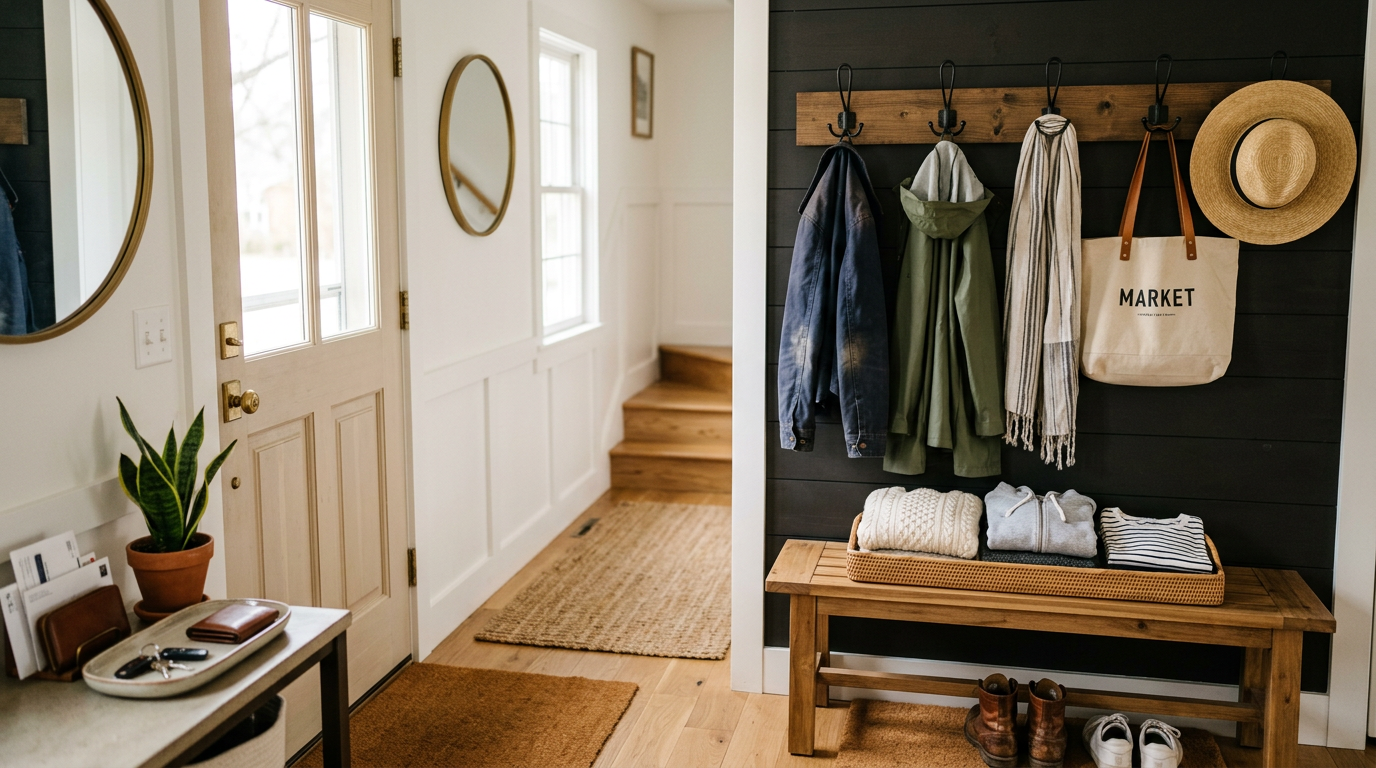
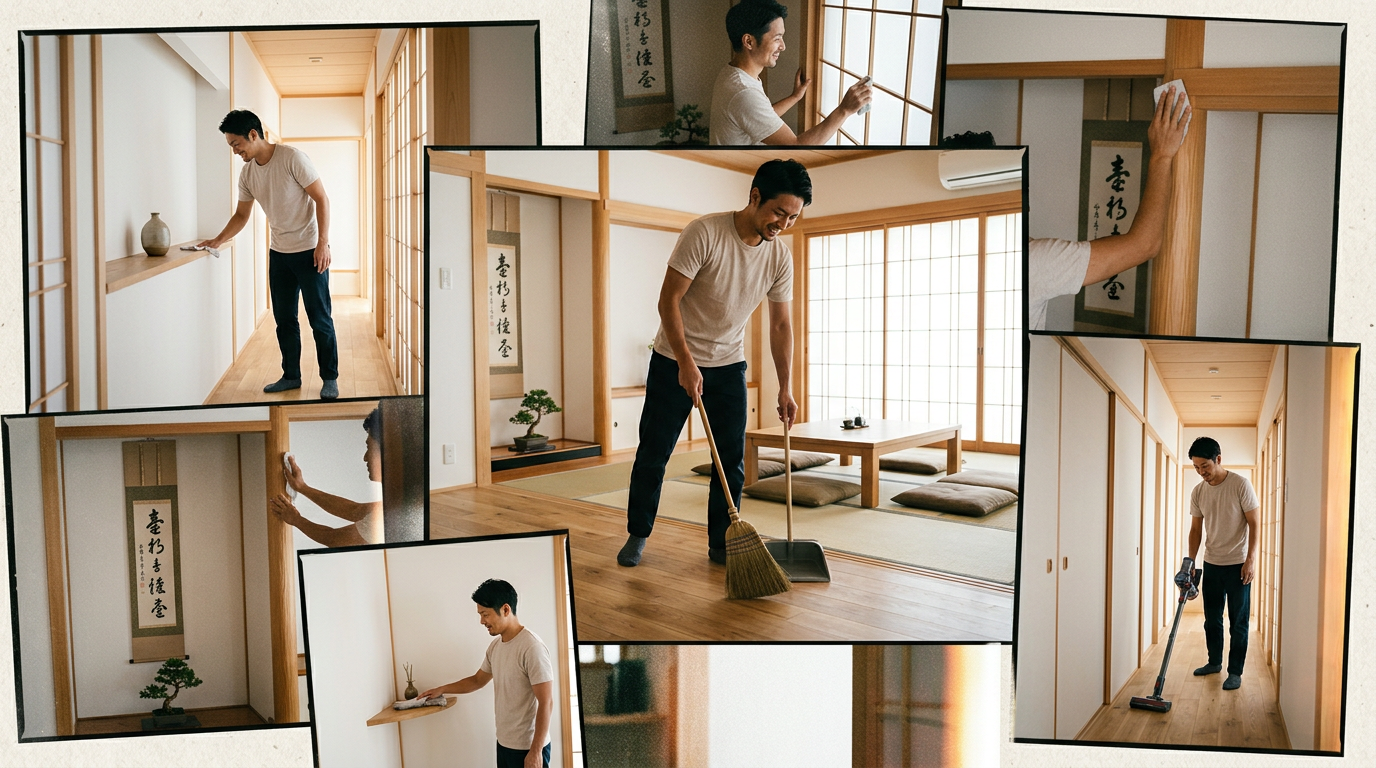
3. Daily Micro-Cleaning or “Reset” Routines:
Incorporate tiny habits tied to existing routines: wipe the sink/counter after brushing teeth or cooking, fold bedding/futon in the morning, or do a quick 1-2 minute room reset before leaving or bedtime (okatazuke). Clean as you go rather than letting messes accumulate. Many aim for a 5-10 minute daily floor wipe or spot clean in high-use areas.
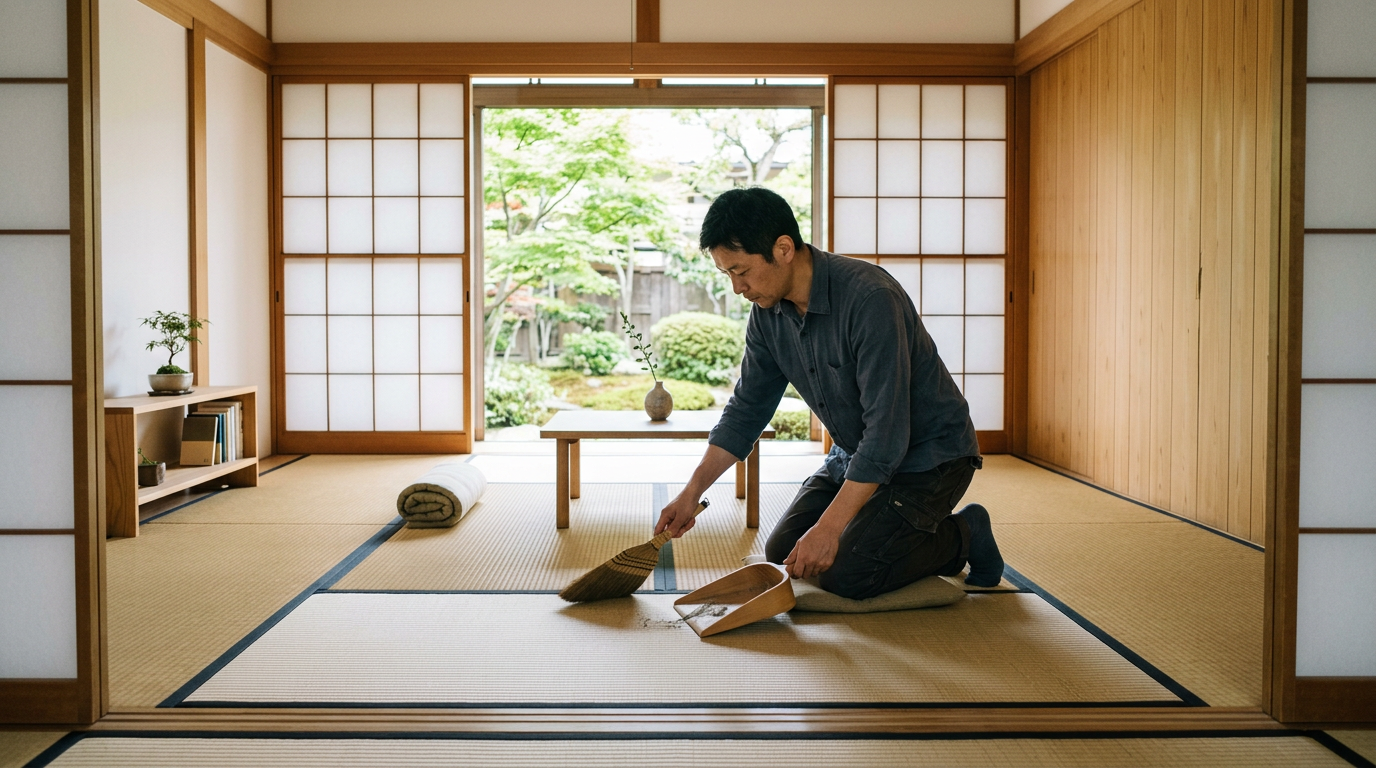
4. Embrace Minimalism — Own Less Stuff:
Regularly declutter and focus on what you truly need or love (inspired by concepts like Osoji, the year-end big clean, but done ongoing). Fewer possessions mean less to clean, organize, or store. Japanese homes often prioritize empty space and functionality over accumulation.
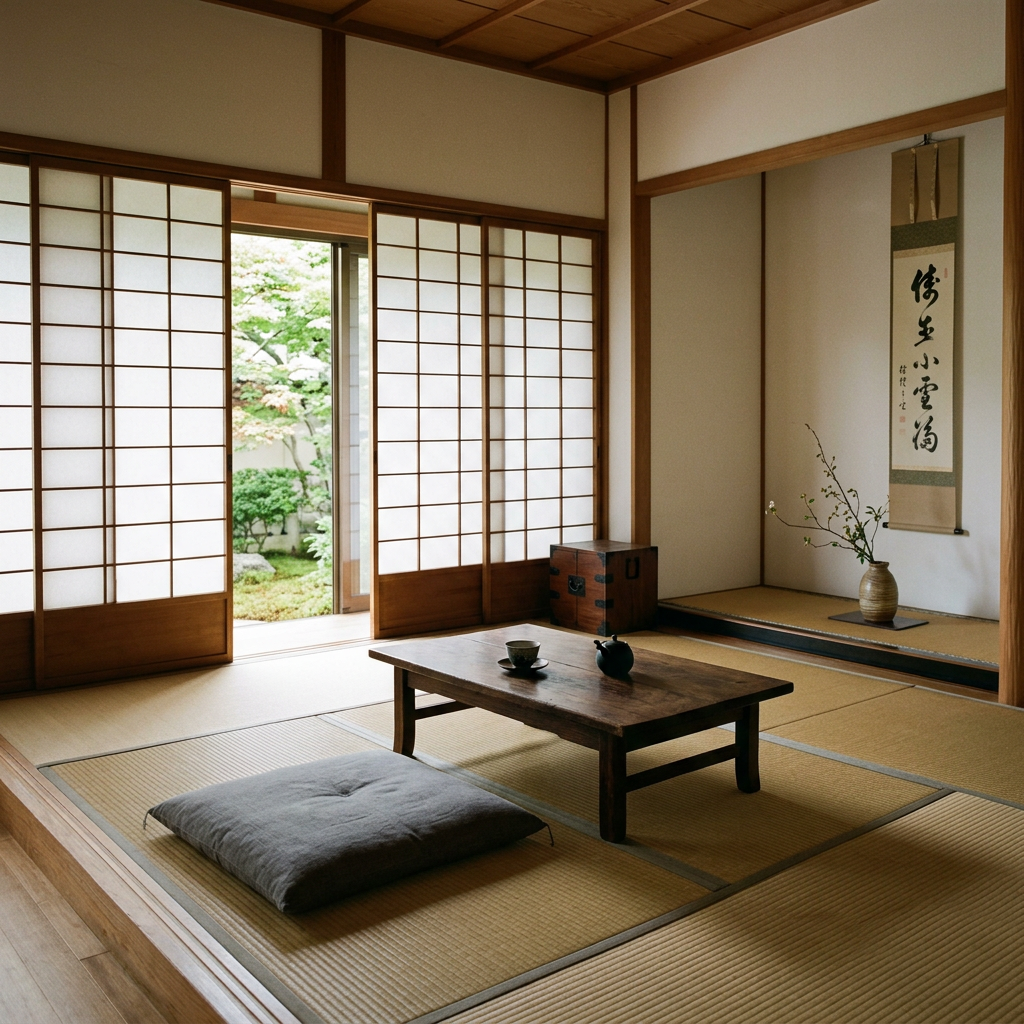
5. Air Out the Home Daily (Kanki) and Top-to-Bottom Flow
Open windows regularly for fresh air circulation to reduce moisture, odors, and stuffiness. Combine this with mindful movement through spaces (e.g., cleaning from back to front or top to bottom). This ritual refreshes the home and supports overall hygiene.
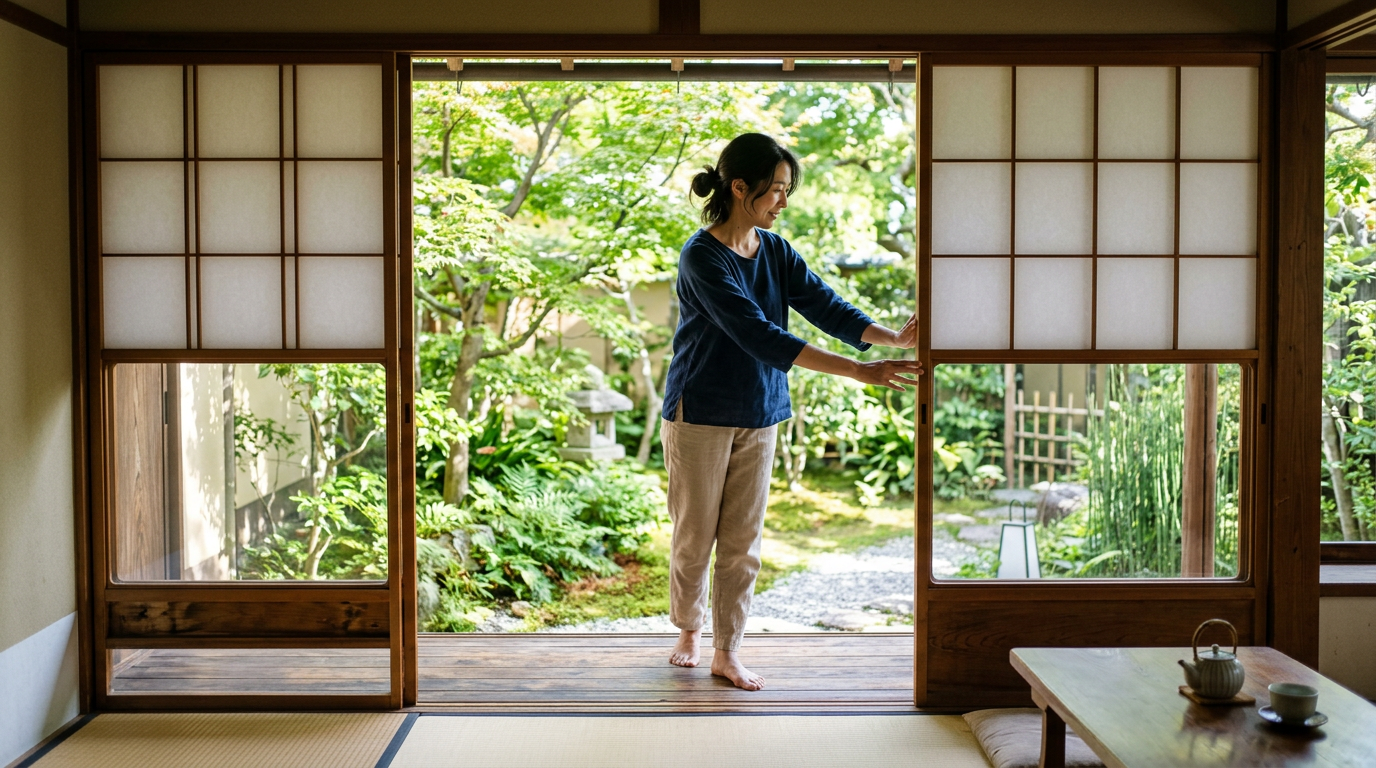
These habits emphasize prevention, mindfulness, and consistency over perfection. Start with one or two, and they compound into a naturally tidy home with minimal effort. Many Japanese households treat cleaning as a form of respect—for the space and for oneself—turning it into a calming daily practice rather than a chore.
Thankyou.

